فاس نيوز ميديا جريدة الكترونية جهوية تعنى بشؤون و أخبار جهة فاس مكناس – متجددة على مدار الساعة

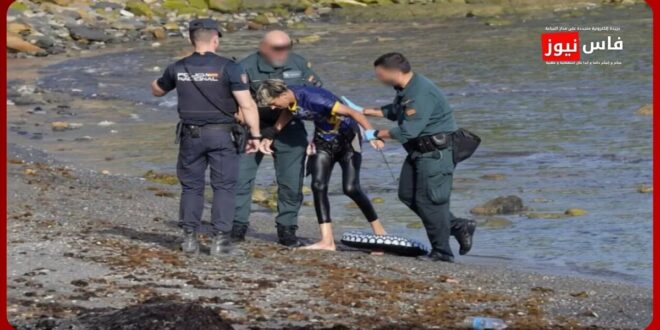
Rabat – The occupied city of Ceuta has experienced one of its largest waves of irregular migration in recent years, with a sharp increase in sea crossings from the Moroccan coast, particularly near Fnideq. Spanish authorities report that the surge in arrivals has overwhelmed the Temporary Stay Center for Immigrants (CETI), which has reached its maximum capacity.
An Unprecedented Wave of Arrivals
According to available information, more than 1,500 irregular migrants entered Ceuta over a period of just nine days, marking an exceptional increase compared with previous periods.
Spanish Civil Guard maritime rescue teams have continued to intercept and rescue migrants encountering difficulties at sea, while the Spanish National Police register new arrivals and process their cases in accordance with Spanish law.
Reception Center at Full Capacity
One of the most significant consequences of this migration surge has been the saturation of the CETI reception center.
The facility has a capacity of 512 places, yet more than 400 additional migrants are reportedly waiting for admission, leaving dozens gathered around the center under difficult conditions due to overcrowding.
Reports indicate that most of those waiting are Moroccan and Algerian nationals, alongside a smaller number of migrants from Sub-Saharan African countries.
Missing Persons and Public Appeals
In Morocco, the situation has sparked widespread concern on social media, where families have shared appeals seeking information about young people and minors who disappeared after attempting to reach Ceuta.
Local organizations and community pages in Fnideq have also launched awareness campaigns urging young people not to risk their lives by attempting dangerous sea crossings, warning that irregular migration can end in tragedy.
These appeals have intensified following reports of drowning incidents off the coast of Ceuta in recent days, increasing anxiety among families still awaiting news of missing relatives.
Coordination Through Messaging Apps
Spanish media reports suggest that some crossing attempts are coordinated through private messaging groups, where participants exchange information about gathering times and departure points, contributing to the arrival of large groups within short periods.
Witness accounts also indicate that several minors traveled to Fnideq days before the crossings, waiting to join organized groups attempting to reach Ceuta.
Spanish Authorities on Alert
In response to the increasing pressure, Spanish authorities have reinforced maritime and security operations. Civil Guard rescue units continue surveillance and emergency interventions at sea, while relevant agencies manage the growing number of arrivals.
Juan Jesús Vivas, President of the Government of Ceuta, has called on the Spanish government to act “firmly and without delay,” describing the situation as a migration crisis requiring urgent support from Madrid.
A Recurring Migration Challenge
The latest developments have once again brought the issue of irregular migration between Morocco and the occupied city of Ceuta to the forefront, particularly because of the humanitarian risks faced by migrants—especially minors.
Both Moroccan and Spanish authorities continue to stress the importance of combating migrant smuggling networks and irregular migration while promoting solutions aimed at protecting lives and addressing the social and economic factors driving migration.
Ceuta Faces Migration Pressure as More Than 1,500 Irregular Migrants Arrive in Nine Days and Reception Center Reaches Full Capacity
Rabat – The occupied city of Ceuta has witnessed one of its largest waves of irregular migration in recent years, following a sharp rise in sea crossings from the Moroccan coast, particularly from the Fnideq area. Spanish authorities say the influx has filled the Temporary Stay Center for Immigrants (CETI) to capacity.
Surge in Arrivals
According to available data, more than 1,500 irregular migrants reached Ceuta over the course of nine days, an unusually high figure compared with previous periods.
Spanish Civil Guard rescue teams have continued maritime operations to intercept and rescue migrants facing difficulties during the crossings, while the Spanish National Police register new arrivals and process their cases under existing immigration procedures.
Reception Center Overcrowded
The migration surge has pushed the CETI reception center to its maximum capacity.
Although the center can accommodate only 512 people, reports indicate that more than 400 additional migrants are waiting for admission, forcing dozens to remain outside the facility under difficult conditions.
Most of those waiting are reportedly Moroccan and Algerian nationals, along with a smaller number of migrants from Sub-Saharan Africa.
Missing Persons and Awareness Campaigns
In Morocco, the developments have generated widespread concern on social media, where families have shared appeals seeking information about young people and minors who disappeared after attempting the sea crossing.
Community organizations and local pages in Fnideq have also circulated awareness messages urging young people not to risk their lives through irregular migration, warning that such journeys can end in humanitarian tragedies.
Reports of drowning incidents off the coast of Ceuta in recent days have further heightened fears among families whose relatives remain missing.
Coordination Through Messaging Applications
Spanish media reports indicate that some crossing attempts are coordinated through private messaging groups, where participants exchange information about meeting points and departure times, allowing large numbers of migrants to arrive within short periods.
Witness accounts also suggest that several minors traveled to Fnideq days before the crossings while waiting to join organized groups attempting to reach Ceuta.
Spanish Authorities Strengthen Response
Faced with growing pressure, Spanish authorities have reinforced maritime surveillance and security operations. Civil Guard rescue teams continue search-and-rescue missions, while relevant agencies work to manage the increasing number of arrivals.
Juan Jesús Vivas, President of the Government of Ceuta, has called on Spain’s central government to respond “firmly and without delay,” describing the situation as a migration crisis requiring urgent assistance from Madrid.
A Recurring Migration Issue
The latest developments once again place irregular migration between Morocco and the occupied city of Ceuta at the center of public debate, highlighting the humanitarian risks associated with dangerous sea crossings, particularly for minors.
Moroccan and Spanish authorities continue to emphasize the importance of combating migrant smuggling networks and irregular migration while promoting solutions that protect lives and address the social and economic factors behind the phenomenon.
Source: Fès News Media