Fes News Media Morocco & Fez-Meknes Independent English News Portal — 24/7 Coverage


- RABAT (FesNews Media) — Morocco’s Royal Cabinet announced on Friday, October 30, 2026, that the United Nations Security Council did not extend the mandate of th...
- Coinciding with the Kingdom’s celebration of “Unity Day” instituted by His Majesty King Mohammed VI to embody a definitive break with past approaches and transi...
RABAT (FesNews Media) — Morocco’s Royal Cabinet announced on Friday, October 30, 2026, that the United Nations Security Council did not extend the mandate of the MINURSO mission during its session held today, marking a historic diplomatic turning point and a decisive step toward the final closure of the Moroccan Sahara file within the halls of the United Nations.
Coinciding with the Kingdom’s celebration of “Unity Day” instituted by His Majesty King Mohammed VI to embody a definitive break with past approaches and transition from mere conflict management to a profound transformation of parameters, the Royal Cabinet statement underscored that the non-renewal of MINURSO means its presence in Morocco’s Southern Provinces—including its personnel, vehicles, equipment, and symbols—must come to an end in the coming days, turning the page on a 35-year chapter.
Full Text of the Statement Issued by the Royal Cabinet (October 30, 2026):
“The United Nations Security Council, during its meeting held today, October 30, 2026, did not extend the mandate of the MINURSO mission, which constitutes an important development and a step of major significance toward the final closure of the Moroccan Sahara file within the halls of the United Nations.
This prominent development coincides with the commemoration of ‘Unity Day’, instituted by His Majesty King Mohammed VI, may God assist Him, to embody a break in the handling of this file and the transition from a mere logic of management to an approach founded on a profound transformation of parameters.
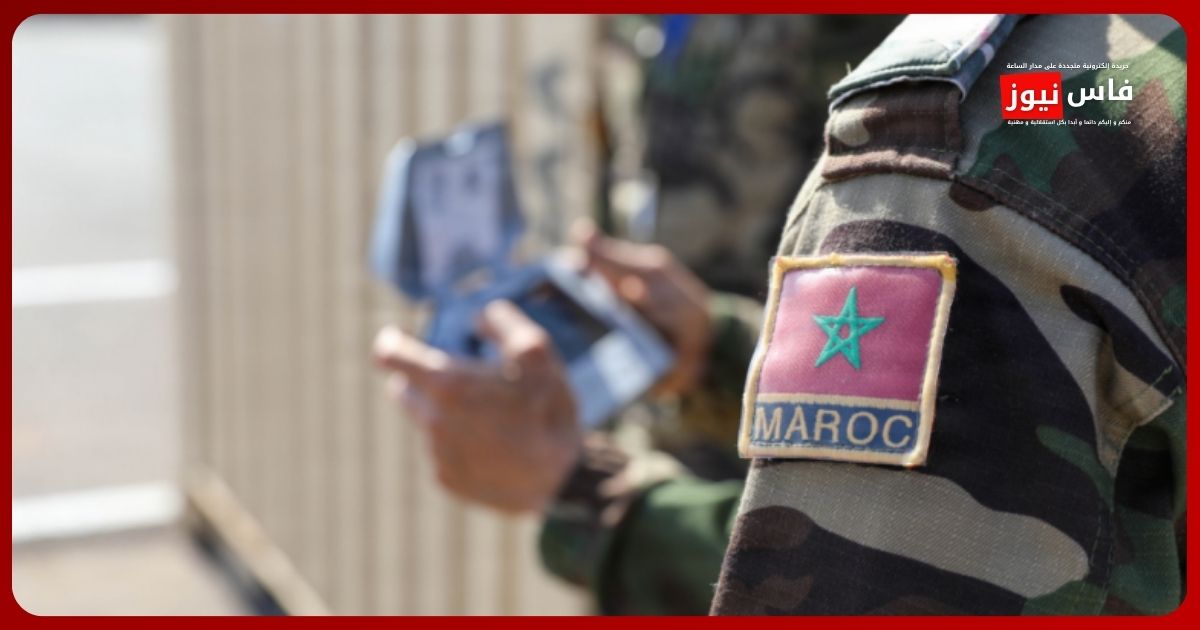
Thus, the non-extension of the mandate of ‘MINURSO’ clearly means that the presence of this mission in the Southern Provinces of the Kingdom, particularly through its personnel, vehicles, equipment, and symbols, must come to an end in the coming days.
It is a page that lasted 35 years, which is henceforth turned. This mission, inherited from an outdated context, long served as an instrument for internationalizing the regional dispute relating to the legitimate recovery by the Kingdom of Morocco of its Saharan provinces.
Furthermore, the non-extension of MINURSO’s mandate must put an end to the referral of this file to the Security Council and result in the withdrawal of this issue from its agenda. Consequently, there will no longer be any justification for holding the regular periodic meetings of the Council devoted to the Moroccan Sahara, nor for the related reports of the United Nations Secretary-General, nor for the briefings of his Personal Envoy.
Thus ends the UN political process, which was unfortunately marked by the procrastination of the other parties and their insistence on creating a state of deadlock and perpetuating the status quo. Similar steps will also be taken in the near future within other bodies of the United Nations.
While expressing its satisfaction with this development, Morocco remains firmly committed to the ceasefire, with full respect for its territorial integrity and unity, its national security, and the tranquility of its citizens.
Moreover, the international momentum launched by His Majesty King Mohammed VI, may God preserve Him, will continue at the bilateral and regional levels. This momentum has already mobilized significant support; indeed, more than two-thirds of the members of the United Nations, including permanent members of the Security Council and influential international powers, clearly support the Autonomy Initiative, within the framework of Moroccan sovereignty, as the sole framework for resolving this regional dispute.”
A Paradigm Shift Coinciding with Unity Day and Backed by Over Two-Thirds of UN Member States
Diplomatic observers note that the termination of the MINURSO mandate dismantling a 35-year mechanism effectively removes the Moroccan Sahara question from the periodic deliberations of the UN Security Council, bringing an end to routine Secretary-General reports and Personal Envoy briefings that had long been exploited by opposing parties to maintain an artificial stalemate. By announcing forthcoming parallel measures across other United Nations bodies, Rabat is consolidating the institutional closure of an outdated Cold War-era framework while maintaining its strategic development agenda, following recent Royal Palace announcements on major strategic port and infrastructure projects across the Kingdom.
At the same time, the Royal Cabinet statement reassures international partners of Morocco’s unwavering adherence to the ceasefire alongside the strict defense of its national security, territorial unity, and citizens’ safety. Anchored by the diplomatic vision of His Majesty King Mohammed VI, more than two-thirds of UN member states—including permanent Security Council members and major global powers—now explicitly endorse the Moroccan Autonomy Initiative under national sovereignty as the única and exclusive basis for settling this regional dispute.