Fes News Media Morocco & Fez-Meknes Independent English News Portal — 24/7 Coverage


- April 25, 2026 – Rabat Rabat – Fes News A recent report on the impact of artificial intelligence in Morocco has raised concerns about the future of the labor ma...
- 5 million jobs could be directly or indirectly affected by 2030, amid rapid digital transformation
April 25, 2026 – Rabat
Rabat – Fes News
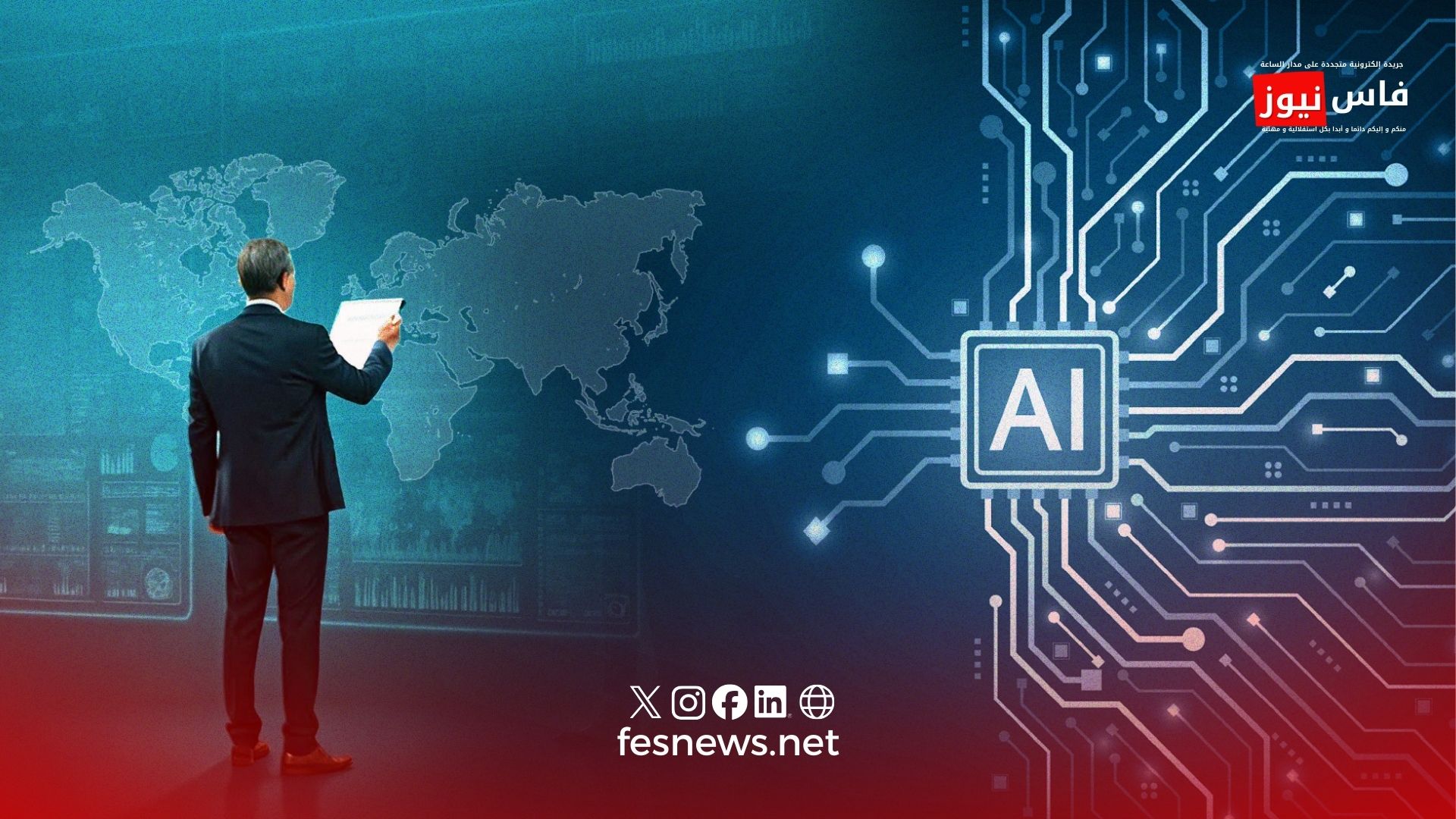
A recent report on the impact of artificial intelligence in Morocco has raised concerns about the future of the labor market, indicating that around 1.5 million jobs could be directly or indirectly affected by 2030, amid rapid digital transformation.
According to the study published by the African Center for Strategic and Digital Studies, artificial intelligence is no longer limited to manual labor but is increasingly targeting knowledge-based professions, particularly in sectors such as services, finance, call centers, and administration.
The report highlights that offshoring activities and customer service roles are among the most exposed, due to significant advances in automating digital interactions. Administrative jobs—such as data entry and basic accounting—are also gradually declining as algorithms become more widely adopted.
The same source warns of widening social inequalities, noting that recent graduates may be among the most affected due to shrinking entry-level opportunities. Women, who represent a significant share of administrative and service jobs, could also face disproportionate impacts.
On the other hand, the report points out that certain professions are likely to remain less affected in the short term, particularly those requiring direct human presence or strong interpersonal skills, such as traditional crafts, healthcare services, and modern agriculture.
The study emphasizes that artificial intelligence can also represent a real opportunity for economic growth, provided that this transition is supported by effective public policies—especially in areas such as continuous training, education system reform, and strengthening digital sovereignty through the development of local solutions.
It calls for accelerating reforms related to workforce reskilling and integrating AI into the education system, with a focus on the human dimension in managing this transition to mitigate potential social impacts.
This report comes amid growing debate over digital transformation in Morocco, particularly following the launch of the Digital Morocco 2030 strategy, which positions technology as a key driver of development while acknowledging challenges related to employment and social balance.
Source: Fes News Media