فاس نيوز ميديا جريدة الكترونية جهوية تعنى بشؤون و أخبار جهة فاس مكناس – متجددة على مدار الساعة


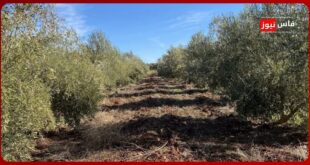
Des sources locales à Sefrou ont indiqué que la saison actuelle de récolte des olives connaît une augmentation notable du coût de la main-d’œuvre, avec des salaires journaliers variant entre 150 et 250 dirhams selon la nature des tâches liées à la cueillette, dans un contexte marqué par l’abondance de la production et une forte demande pour ces services durant la période de pointe.
Local sources in Sefrou reported that the current olive harvest season has seen a significant rise in labor costs, with daily wages ranging between 150 and 250 dirhams depending on the nature of harvesting tasks, amid abundant production and strong demand for these services during the peak period.
Selon les mêmes sources, cette hausse a également concerné le coût du broyage des olives, qui a atteint environ 70 dirhams par quintal, contre 50 dirhams lors de la précédente saison, ce qui a eu un impact direct sur les coûts globaux supportés par les agriculteurs, en particulier les petits producteurs.
According to the same sources, the increase also affected olive milling costs, which rose to around 70 dirhams per quintal, compared to 50 dirhams during the previous season, directly impacting the overall costs borne by farmers, especially small producers.
Des sources locales ont exprimé leur indignation face à cette augmentation, estimant que la forte demande résultant de l’abondance de la olive harvest has put pressure on the availability of labor and olive mills, leading to a sharp rise in prices over a short period. Elles ont souligné que cette situation alourdit la charge des producteurs, malgré les indicateurs positifs liés au volume de la récolte cette saison.
Local sources expressed their disapproval of this increase, considering that the strong demand resulting from the abundant olive harvest has put pressure on the available labor force and olive mills, leading to a rapid rise in prices. They noted that this situation weighs heavily on producers, despite the positive indicators related to the size of this season’s harvest.
En revanche, les sources estiment que les seasons of abundance often generate such price fluctuations due to imbalances between supply and demand, calling for better organization of the harvesting and milling sector and for expanding the capacity of olive mills in order to reduce pressure during peak periods.
Conversely, the sources believe that seasons of abundance often lead to such price fluctuations due to imbalances between supply and demand, calling for better organization of the harvesting and milling sector and for expanding the capacity of olive mills to ease pressure during peak periods.
Ces données s’inscrivent dans un contexte agricole local où l’oléiculture constitue une activité majeure, faisant du contrôle des coûts de production un élément clé pour garantir une fair profitability for farmers and the sustainability of this vital activity in the region.
These developments come within a local agricultural context in which olive growing represents a key activity, making the control of production costs essential to ensure fair profitability for farmers and the sustainability of this vital activity in the region.
Source : Fes News Media