فاس نيوز ميديا جريدة الكترونية جهوية تعنى بشؤون و أخبار جهة فاس مكناس – متجددة على مدار الساعة


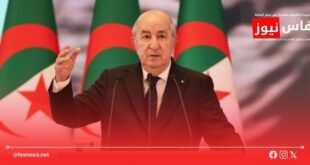
Algiers – November 12, 2025 – The Algerian Presidency announced today, Wednesday, that President Abdelmadjid Tebboune approved a request from his German counterpart Frank-Walter Steinmeier to issue a presidential pardon for French-Algerian writer Boualem Sansal, who has been imprisoned for about a year, while allowing his transfer to Germany to receive necessary medical treatment.
The Algerian Presidency statement read: “The President of the Republic received a request from Mr. Frank-Walter Steinmeier, President of the friendly Federal Republic of Germany, containing a pardon for Boualem Sansal. The President of the Republic responded to this request, which drew his attention, due to its nature and humanitarian reasons.” The statement added that the decision comes in accordance with Article 91, Paragraph 8 of the Constitution, and after consulting the competent authorities, with the German state undertaking the writer’s transfer and treatment.
Background of the Case and Reasons for Arrest
Boualem Sansal, 81 years old, was arrested in November 2024 upon his arrival at Algiers airport, and was sentenced in the first instance in March 2025 to five years in prison on charges of “undermining the integrity and unity of the nation,” following statements he made to French media in which he adopted a position suggesting that part of Moroccan territory was carved out and annexed to Algeria during French colonization. The Court of Appeal confirmed the sentence in July 2025.
The arrest caused diplomatic tension between Algeria and France, with Paris expressing deep regret, and the writer’s case became an obstacle to improving relations. Sansal’s family expressed great concern about his health, noting his suffering from prostate cancer and his advanced age.
International and French Reactions
French Prime Minister Sébastien Lecornu expressed the government’s “relief,” stating before parliament: “My relief at the Algerian authorities’ announcement of the pardon for Boualem Sansal,” hoping that the writer would be able to “rejoin his family as soon as possible and receive care.” He also thanked those who contributed to this outcome, considering it the fruit of “respect and calm.”
For its part, the German Presidency confirmed that President Steinmeier requested the pardon as a “humanitarian gesture” reflecting the good relations between the two countries, while offering to transfer the writer to Germany for treatment.
This decision is considered a humanitarian step that removes a major obstacle to easing diplomatic tensions, especially with France, and opens the door for Sansal’s immediate transfer to Germany to receive medical care.