Fes News Media Morocco & Fez-Meknes Independent English News Portal — 24/7 Coverage


- Gaza, Palestine – Delegations of mediators representing Qatar, Egypt, and the United States have continued their shuttle diplomacy between Israeli negotiators a...
- However, these efforts are at a stalemate, amidst escalating fears of a “spreading famine” in the Strip
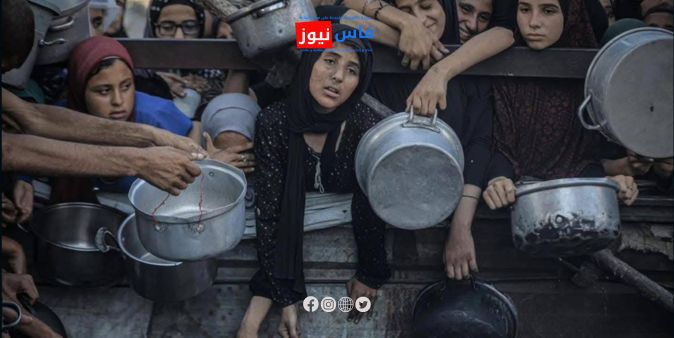
Gaza, Palestine – Delegations of mediators representing Qatar, Egypt, and the United States have continued their shuttle diplomacy between Israeli negotiators and the Palestinian resistance movement Hamas since July 6, in an effort to reach a truce agreement in Gaza after more than 21 months of war. However, these efforts are at a stalemate, amidst escalating fears of a “spreading famine” in the Strip.
Following a two-month truce at the beginning of the year, both parties remain entrenched in their positions. The situation is further complicated by the rising number of Palestinian deaths due to starvation and malnutrition, according to reports from hospitals in Gaza.
Expectations indicate that the current proposal on the negotiation table includes a 60-day ceasefire and the release of 10 live Israeli hostages in exchange for hundreds of Palestinian prisoners.
Conflicting Positions and Field Complications
Each side is sticking to its demands: Israel seeks to destroy Hamas and take control of Gaza, while the movement is demanding a permanent end to the war and the withdrawal of Israeli troops from the Strip. Karim Bitar, a lecturer in Middle East studies at Sciences Po Paris, commented that “the bitter reality is that for reasons of domestic politics, neither Israeli Prime Minister Benjamin Netanyahu nor the Hamas leadership in Gaza have an interest in a quick resolution and a total ceasefire,” stressing that “both sides will face serious questions from their own constituents.”
The continuation of deadly and devastating Israeli military operations in Gaza further complicates the negotiations. Bitar notes the existence of “technical aspects that are quite difficult to overcome” due to communication problems between Hamas’s military leadership in Gaza and the negotiators in Doha.
Hamas Faces a Desperate Humanitarian Situation
Andreas Krieg, a Middle East analyst at King’s College London, says that “what is on the table today is in fact just a new prisoner exchange deal, not a real ceasefire agreement.”
Krieg adds that Hamas faces a dilemma: it is under pressure to obtain concessions from Israel, but at the same time, it is confronting a “humanitarian situation that is becoming more and more desperate” in the Gaza Strip. He continues: “The Hamas leadership may be wondering how far they can compromise without giving the impression of politically capitulating.”
In the midst of this crisis, where more than two million people face severe food shortages, and over a hundred NGOs warn of a “spreading famine” in the territory, Krieg believes that “humanitarian pressure is increasing rapidly,” which may force Hamas to accept a temporary deal to alleviate the suffering.
However, Bitar fears that this round of negotiations might fail like the previous ones, “unless the United States and Qatar significantly increase pressure on Israel.”