فاس نيوز ميديا جريدة الكترونية جهوية تعنى بشؤون و أخبار جهة فاس مكناس – متجددة على مدار الساعة


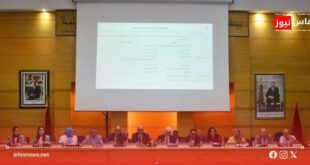
Amid the official celebrations sweeping the Kingdom of Morocco on the occasion of the 26th anniversary of the glorious Throne Day, the annual allegiance ceremony, held on Thursday, July 31, 2025, in the city of Tangier, witnessed a striking change in long-standing traditions that captured the attention of public affairs observers. While elected officials and senior officials expected a repeat of the customary scene embodying unity around the monarchy’s symbolism, the slices of roasted lamb, traditionally served to them on similar occasions, were absent from their tables this year, in a move that appeared to carry more than a single implication.
According to media sources, this change was not arbitrary but resulted from new directives that focused on a different priority this year. Instead of allocating quantities of meat for the ceremony, the Ministry of the Interior, in collaboration with the Ministry of Agriculture, Maritime Fisheries, Rural Development, and Water and Forests, undertook a strategic task: conducting a national livestock census, with a special focus on preserving and ensuring the sustainability of the sheep flock. This decision appears to be part of broader state trends aimed at rationalizing the consumption of agricultural resources and protecting animal wealth, particularly in light of potential challenges facing the sector.
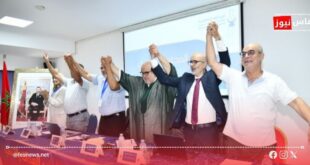
The allegiance ceremony is one of the most prominent monarchical rituals in Morocco, bringing together senior officials and elected officials on the occasion of Throne Day to renew their pledge of allegiance to His Majesty King Mohammed VI. Over the past years, the ceremony became associated in the minds of many with certain customs, including the serving of a roasted lamb meal, which carried social and cultural dimensions reflecting generosity and closeness among officials. Therefore, the absence of this familiar rite this year raised questions about the state’s balance between preserving deep-rooted traditions and keeping pace with new policies aimed at achieving broader developmental and environmental goals.
Although no direct or public reactions from attendees regarding this change have been documented, the step itself carries a powerful message. On one hand, it can be seen as a move towards promoting awareness of the importance of resource conservation and making official ceremonies more aligned with public state policies. On the other hand, it may open the door to a societal debate on how to balance cultural heritage and entrenched traditions with the requirements of the current stage, which call for rationalizing consumption and protecting the nation’s agricultural capital.
Ultimately, the 2025 allegiance ceremony in Tangier remains a unique event in its course, where agricultural statistics replaced the flavor of traditional grilling. This reflects a clear shift in the state’s priorities and a message indicating that protecting the national flock has become an integral part of the rituals of allegiance and commitment to the “New Morocco” project, which places sustainability and resource protection at the heart of its concerns, even at its most formal official events.