Fes News Media Morocco & Fez-Meknes Independent English News Portal — 24/7 Coverage


- Senators announced on Sunday a sweeping new sanctions bill that would grant President Donald Trump broad powers to impose severe economic penalties on Russia an...
- The announcement comes just days before a key statement by President Trump on Russia and ahead of a planned visit by U
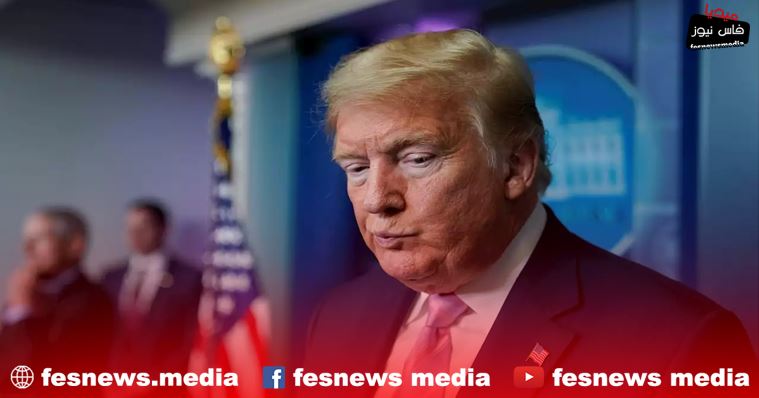
A bipartisan group of U.S. Senators announced on Sunday a sweeping new sanctions bill that would grant President Donald Trump broad powers to impose severe economic penalties on Russia and its supporters, amid escalating tensions over the ongoing war in Ukraine.
The announcement comes just days before a key statement by President Trump on Russia and ahead of a planned visit by U.S. Special Envoy to Ukraine, Keith Kellogg.
Republican Senator Lindsey Graham told CBS News that the legislation aims to “cripple the Russian economy,” while empowering the U.S. president to impose tariffs of up to 500% on countries providing trade or military support to Russia—with China, India, and Brazil implicitly in the crosshairs.
President Trump hinted at his willingness to sign the bill, stating:
“I’m seriously considering it. They’re going to pass a big, tough sanctions bill, but it’s ultimately up to the president to enforce it.”
This suggests that enforcement may depend on Trump’s strategic discretion.
Until now, Trump had largely avoided direct intervention in the Ukraine conflict, preferring diplomatic outreach to convince Vladimir Putin to de-escalate. However, Moscow’s recent aggression appears to have prompted a reassessment of that approach.
Last week, Trump approved a new weapons package for Ukraine, including a deal allowing NATO to procure U.S. military equipment on Kyiv’s behalf.
Democratic Senator Richard Blumenthal, a co-sponsor of the legislation, revealed that the bill would also address the fate of frozen Russian assets in the U.S. and Europe, valued at billions of dollars. The proposed plan would see these funds redirected to support Ukraine’s government.
Ukrainian President Volodymyr Zelenskyy responded via X (formerly Twitter), calling the legislation “a powerful move that brings us closer to peace.”
Senators Graham and Blumenthal are expected to meet NATO’s new Secretary General, Mark Rutte, on Monday evening to coordinate the next steps with alliance partners, as diplomatic efforts stall and regional tensions intensify.