Fes News Media Morocco & Fez-Meknes Independent English News Portal — 24/7 Coverage


- In a move warmly welcomed by immigrant communities in Spain, the Spanish government has announced a new amendment to its immigration law, reducing the required ...
- According to Spanish media sources, the decision was approved by the Ministry of Inclusion, Social Security, and Migration, with the aim of easing the integrati...
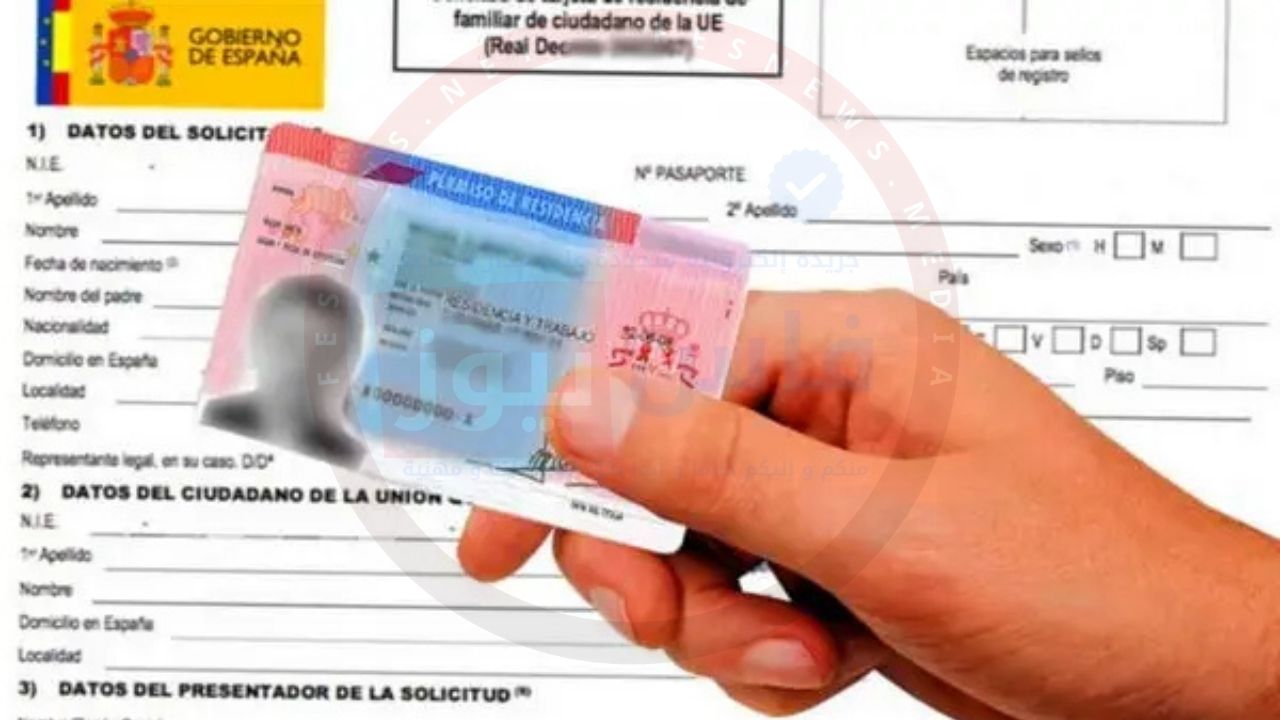
In a move warmly welcomed by immigrant communities in Spain, the Spanish government has announced a new amendment to its immigration law, reducing the required legal residency period needed to apply for long-term residence permits or regularize legal status.
According to Spanish media sources, the decision was approved by the Ministry of Inclusion, Social Security, and Migration, with the aim of easing the integration process for migrants and improving their legal conditions. Officials acknowledged the key role migrants play in supporting the national economy, especially in sectors such as agriculture, construction, and social care.
Residency Requirement Reduced from 3 Years to 2
Under the new amendment, the required period of actual residence has been reduced from three years to just two, for migrants who can prove their integration into Spanish society—whether through employment, education, or family ties.
This significant change offers new hope for undocumented migrants—including thousands of Moroccans—by giving them a better opportunity to regularize their status, provided they can present:
- A job offer,
- Proof of vocational training,
- Or documents verifying family relationships.
A Moroccan woman living in Madrid described the decision as “a ray of hope” for those living in precarious conditions.
“Many of us live in constant fear of deportation. Now, the dream of legal stability feels closer.”
Rights Groups Welcome the Reform
Human rights organizations have hailed the reform as a positive step toward recognizing the contributions of migrants who often work in difficult conditions without legal protection. However, they also called for further simplification of administrative procedures, particularly around scheduling appointments and contract documentation.
Implementation Expected Soon
The decision is expected to come into force in the coming weeks, once it is officially published in Spain’s official state bulletin. It is set to benefit a large segment of migrants, especially those from North African countries, who make up a significant portion of Spain’s active labor force.
This development comes amid broader shifts in European migration policies, where some countries are pursuing more flexible integration models, while simultaneously tightening border control and irregular migration measures.
Source: Fes News Media