فاس نيوز ميديا جريدة الكترونية جهوية تعنى بشؤون و أخبار جهة فاس مكناس – متجددة على مدار الساعة

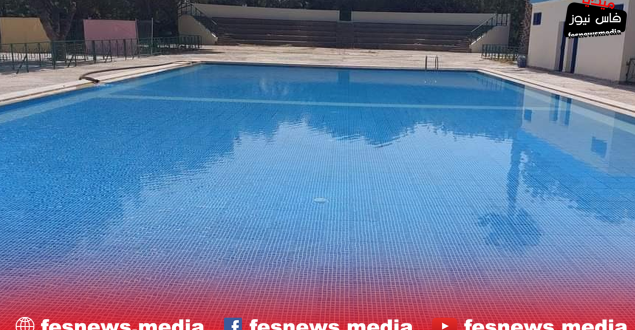
International health and scientific standards, including the guidelines issued by the World Health Organization, emphasize the necessity of adhering to a set of rules when using chlorine in swimming pools to ensure the safety of users. Among the most prominent of these standards are:
Chlorine Quality: Only types of chlorine that are approved and specifically intended for disinfecting swimming pools should be used. These are typically in the form of powder, tablets, or liquid. These materials must comply with local and international health standards.
Expiry Date: Using expired disinfectant materials may lead to a loss of their effectiveness in killing bacteria and viruses, making the pool water a fertile environment for the spread of diseases. They can also react chemically and produce harmful substances that cause skin, eye, and respiratory irritation.
Chlorine Levels: The levels of free residual chlorine in the water must be within a specified range (usually between 1 and 3 parts per million). These levels are measured periodically and regularly using special testing tools to ensure the effectiveness of the disinfection.
pH Level: The water’s pH level should be between 7.2 and 7.6. If the pH level is not appropriate, the effectiveness of chlorine in disinfection is significantly reduced, even if its quantity is sufficient.
Safe Storage: Chlorine materials should be stored in a dry, cool place, out of the reach of children, to avoid any accidents or contamination.
Source: Fes News