Fes News Media Morocco & Fez-Meknes Independent English News Portal — 24/7 Coverage

- Morocco’s workplace environment is undergoing rapid transformation, driven by increased foreign investment, the growing presence of women and youth in the labor...
- These dynamics have made diversity and inclusion key pillars that organizations are increasingly promoting to boost productivity, ensure sustainable performance...
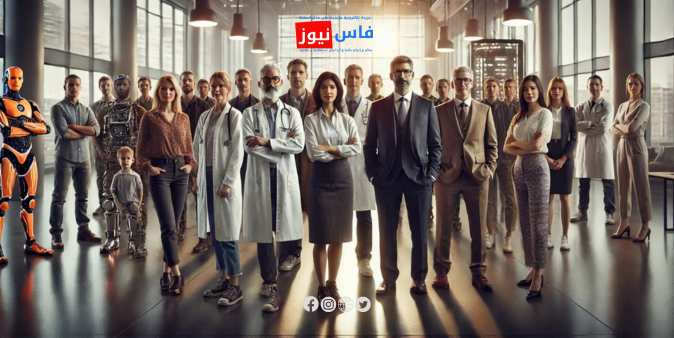
Morocco’s workplace environment is undergoing rapid transformation, driven by increased foreign investment, the growing presence of women and youth in the labor market, and the evolution of legal frameworks. These dynamics have made diversity and inclusion key pillars that organizations are increasingly promoting to boost productivity, ensure sustainable performance, and attract top talent.
Human resource management experts argue that workplace diversity goes beyond gender or cultural background. It also encompasses educational backgrounds, social levels, and physical and mental abilities. Diverse teams are often more innovative and better equipped to handle challenges with agility.
In the Moroccan context, some national and multinational companies have begun implementing internal policies that promote equal opportunities and combat all forms of discrimination—whether in hiring, promotion, or wages. Others are adopting new approaches to integrate people with disabilities and empower women to take on leadership roles, especially in traditionally male-dominated sectors such as industry and energy.
Despite these initiatives, national and international reports highlight that much remains to be done. Women continue to be underrepresented in decision-making positions, and many small and medium-sized enterprises lack clear inclusion strategies. Additionally, diversity is still not fully embraced in some professional settings, limiting the development of a fair and open work environment.
Experts emphasize that fostering inclusion is not only an ethical obligation—it’s also an economic driver. Global studies show that companies that embrace diversity achieve higher growth rates and earn greater trust from clients and investors.
To accelerate progress, professionals recommend integrating diversity and inclusion concepts into vocational and university curricula, adopting internal measurement indicators within companies, and encouraging successful initiatives through awards and certifications.
Given Morocco’s economic openness and the rising expectations of younger generations for professional equity, building an inclusive and diverse workplace is no longer a choice—it is a competitive imperative and a national strategic priority. This requires collective engagement from the state, society, and both public and private institutions.
Source: Fesnews Media