فاس نيوز ميديا جريدة الكترونية جهوية تعنى بشؤون و أخبار جهة فاس مكناس – متجددة على مدار الساعة

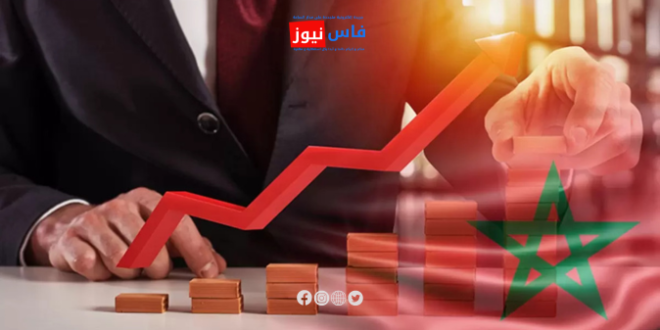
Morocco seeks to strengthen its position as a key player in the global agricultural export market amid growing international demand for fresh and processed products, and evolving supply chains due to climate change and geopolitical shifts. This strategy relies on a mix of investments in infrastructure, quality improvements, and diversification of export markets, according to reports from international organizations and economic stakeholders.
According to data from the Food and Agriculture Organization (FAO), Morocco ranks among the top exporters of certain agricultural products, such as tomatoes, berries, citrus fruits, and olive oil. Moroccan fruit and vegetable exports reached approximately 2.5 million tons in 2023, reflecting a growing competitive edge despite challenges related to water scarcity and climate change.
In this context, the World Trade Organization (WTO) emphasizes that accessing new markets, such as Sub-Saharan Africa and Asia, requires raising sanitary standards and packaging quality in line with the regulations of these countries. The WTO also highlights the importance of signing bilateral agreements and developing logistic corridors to reduce shipping time and costs.
The World Bank, in a recent report, states that developing agricultural value chains could increase the added value of Moroccan export products. It stresses the need to invest in agro-processing industries and provide specialized training for farmers and cooperatives to ensure compliance with international standards regarding pesticide residues, digital traceability, and production transparency.
Moreover, innovation and modern technologies play a crucial role in enhancing the competitiveness of Moroccan products. The OECD recommends expanding the use of smart irrigation and precision agriculture technologies to improve productivity and crop quality, especially under the pressures of climate change and water scarcity.
At the national level, these directions fall under the “Green Generation 2020-2030” strategy launched by the Moroccan government to double the added value of the agricultural sector and balance internal demand with openness to external markets, focusing on empowering small farmers and strengthening cooperatives.
In the face of increasing global competition for markets and resources, Morocco is called upon to accelerate structural reforms in the agricultural sector and broaden cooperation with international stakeholders to reinforce its presence in the global market while ensuring internal food security.
Source: Fesnews Media