Fes News Media Morocco & Fez-Meknes Independent English News Portal — 24/7 Coverage

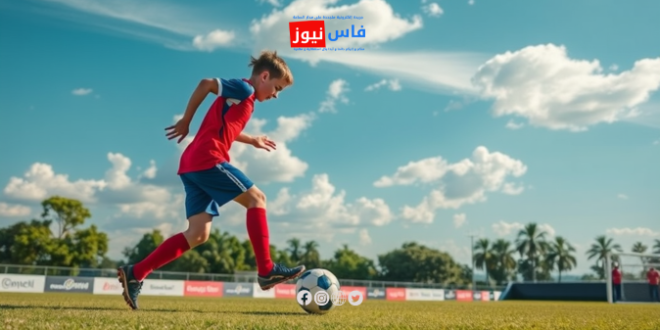
- Football is more than just a sport—it is a cultural and social phenomenon that touches all aspects of life in many countries
- In Morocco, as in many other nations, football goes beyond the boundaries of the pitch to become a tool that influences politics, shapes national identity, and ...
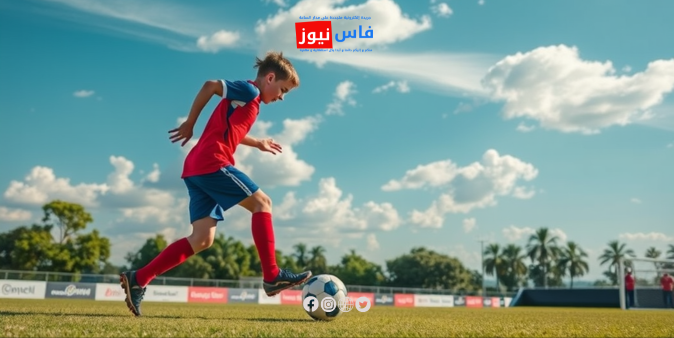
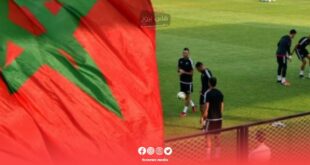
Football is more than just a sport—it is a cultural and social phenomenon that touches all aspects of life in many countries. In Morocco, as in many other nations, football goes beyond the boundaries of the pitch to become a tool that influences politics, shapes national identity, and even drives social change. The game reflects political values and attitudes and can either strengthen social cohesion or deepen divisions, depending on the context in which it is played.
At times, football serves as an arena for political struggle, where it is used by governments and political parties for strategic purposes. Major matches can be opportunities to improve the image of a ruling regime, as has often occurred during the World Cup or regional tournaments. In this context, experts agree that football is a powerful tool in the hands of politicians—it can be used to promote national unity or even distract public attention from other pressing issues.
One cannot discuss the impact of football on society without mentioning its role in reinforcing national identity. Whenever a national team qualifies for the World Cup or other major tournaments, national pride increases, and different social groups unite behind their team. This connection between football and national identity has become part of Moroccan popular culture, with citizens passionately watching their national team’s games and considering each victory a reaffirmation of their identity.
Although football is fundamentally a competitive sport, it has also become a platform for addressing issues of social justice. In recent years, football players have played influential roles in human rights movements, advocating for racial justice and equality. Some players, such as Colin Kaepernick in the United States, have used their platforms to express social and political concerns. Others, like Didier Drogba in Côte d’Ivoire, have been instrumental in peace efforts between warring factions in their countries.
When the national football team achieves a historic feat or dramatically shifts the outcome of a tournament, the dynamics of local politics can change. For example, the Moroccan team’s qualification for the World Cup may temporarily boost political stability, creating a sense of national pride and unity among diverse segments of the population. However, such events can also bring challenges. Sometimes, a heartbreaking defeat in a crucial match may lead to protests or expressions of public anger, revealing the deep connection between football and political life in Morocco.
Football is a central part of Moroccan popular culture, with people dedicating significant time to following local league matches as well as European and global tournaments. Moroccan fans have a strong emotional connection to their clubs and national team, making football a medium for expressing social, economic, and political aspirations. These emotional ties are evident in the massive celebrations after victories or the collective grief after painful losses—clear indicators of football’s profound impact on the daily lives of Moroccan citizens.
The influence of football on politics and society in Morocco goes far beyond being just a game. It is a powerful force that shapes social and political relationships, strengthens national identity, and opens doors to social justice and change. Through football matches, people express political stances, and political institutions can use the sport to foster unity and national loyalty. Football is more than a sport—it is a cultural phenomenon capable of shaping the destiny of a nation.
Source: Fes News Media