فاس نيوز ميديا جريدة الكترونية جهوية تعنى بشؤون و أخبار جهة فاس مكناس – متجددة على مدار الساعة

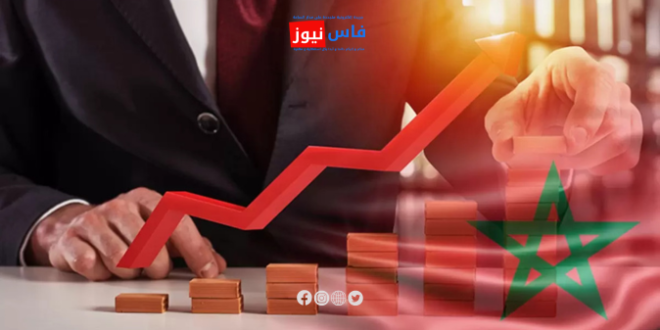
In a world facing sharp economic fluctuations, fiscal and monetary policies emerge as key tools for achieving economic stability. In Morocco, the government and Bank Al-Maghrib (the central bank) are working in a balanced manner to strengthen the resilience of the national economy against global challenges, ranging from inflation to international market shocks.
Monetary Policy: The Safeguard Against Inflation and Financial Stability
Bank Al-Maghrib plays a central role in managing monetary policy by controlling interest rates and liquidity. According to the International Monetary Fund (IMF) report published in January 2025, Morocco demonstrated significant resilience in containing inflation, which had reached high levels globally due to the effects of geopolitical crises and disruptions in supply chains.
The central bank gradually raised the benchmark interest rate throughout 2023 and 2024, reaching 3.5%, in an effort to curb inflation and support price stability. World Bank experts believe that such measures “enhance the credibility of monetary policy and attract foreign investments, thereby strengthening the Moroccan dirham and improving growth prospects.”
Fiscal Policy: Striking a Balance Between Spending and Reform
On the fiscal side, the Moroccan government seeks to implement a balanced policy that ensures necessary social spending while maintaining public debt sustainability. In its annual report on Morocco, the World Bank praised the reforms initiated by Rabat, particularly the project aimed at achieving universal social protection by 2025, considering that “investment in human capital is a fundamental pillar for inclusive and sustainable growth.”
The Finance Bill for 2025 also targets reducing the budget deficit to below 4% of GDP by expanding the tax base and improving the efficiency of public spending.
Integration of Both Policies: Lessons from the Moroccan Experience
Economists stress that the integration of fiscal and monetary policies is vital for achieving long-term economic stability. According to a recent analysis by the Brookings Institution, Morocco serves as an example of “how financial and monetary tools can be used synergistically to address external pressures and strengthen economic resilience.”
During the COVID-19 pandemic and the Ukraine crisis, Rabat implemented proactive measures combining financial support for households and businesses with monetary policies supporting growth, allowing Morocco to mitigate the impact of these crises compared to peer countries in the region.
Future Challenges: The Need for Continued Reform
Despite recorded successes, international institutions like the IMF and World Bank warn of ongoing challenges, primarily the need for deeper structural reforms in the labor market, improving the business climate, and accelerating the energy transition toward renewable sources.
A report by the Organisation for Economic Co-operation and Development (OECD) emphasized that “the sustainability of Morocco’s economic stability depends on the ability to continue reforms and ensure a fair distribution of growth benefits.”
Source: Fes News Media