Fes News Media Morocco & Fez-Meknes Independent English News Portal — 24/7 Coverage

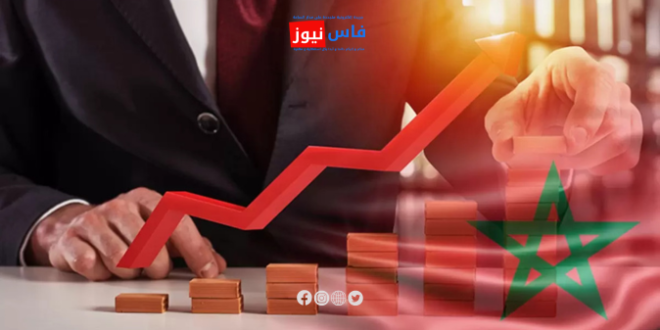
- Like many developing countries, Morocco strives to strike a delicate balance between economic growth and upholding the principles of sustainable development, am...
- While the national economy has shown fluctuating growth rates over recent years, critical questions are being raised about how well this growth aligns with the ...
Like many developing countries, Morocco strives to strike a delicate balance between economic growth and upholding the principles of sustainable development, amidst growing environmental, social, and climate-related challenges. While the national economy has shown fluctuating growth rates over recent years, critical questions are being raised about how well this growth aligns with the country’s sustainability commitments.
According to the World Bank, Morocco experienced economic growth of approximately 3.2% in 2023, supported by sectors such as agriculture, renewable energy, and infrastructure. However, experts argue that this growth is not sufficient to achieve “qualitative growth”—growth that translates into improved quality of life, protection of natural resources, and reduced social inequalities.
A report from the United Nations Development Programme (UNDP) highlights that Morocco has made progress toward the Sustainable Development Goals (SDGs), especially in health, education, and clean energy. However, major challenges remain—most notably pressure on water resources, desertification, and the growing divide between urban and rural areas.
Major Challenges Facing the Kingdom
Various analysts, including those cited by the World Economic Forum (WEF), agree that sustainable development in Morocco cannot be achieved without comprehensive structural reforms, such as:
- Promoting a Green Economy: By supporting renewable energy, a sector where Morocco is a continental leader, with the goal of reaching 52% renewable electricity production by 2030.
- Rural Development: To ensure fair distribution of wealth and development opportunities and reduce regional disparities.
- Sustainable Management of Natural Resources: Especially water, which is becoming increasingly scarce and poses risks to both water and food security.
- Investing in Human Capital: Through improving education quality, fostering innovation, and providing decent job opportunities.
In this context, Moroccan economist Dr. Rachid Aourraz emphasized that “transitioning to a more sustainable economy requires strong political will, effective international partnerships, and genuine private sector engagement.”
A Roadmap for the Future
Morocco has launched several national strategies in this regard, most notably the National Strategy for Sustainable Development (SNDD), which was introduced in 2017 to integrate environmental considerations into public policies.
According to a report by the High Commission for Planning (HCP), energy transition and increased green investment are two key drivers to achieve “green economic growth” by 2030.
Morocco now has a unique opportunity to transform environmental and social challenges into economic and developmental opportunities—provided that there is effective coordination among institutional, societal, and economic stakeholders. Sustainable development is not a luxury; it is essential for the survival and prosperity of future generations.
Source: Fes News Media