فاس نيوز ميديا جريدة الكترونية جهوية تعنى بشؤون و أخبار جهة فاس مكناس – متجددة على مدار الساعة


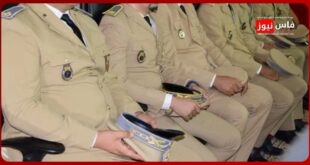
Taounate – La province de Taounate a accueilli, au début de cette semaine, les cérémonies marquant le 69e anniversaire du lancement des travaux de la Route de l’Unité, une commémoration consacrée à l’un des plus importants projets nationaux lancés après l’indépendance. L’événement s’est déroulé en présence du Haut-Commissaire aux anciens résistants et anciens membres de l’Armée de libération, du gouverneur de la province, ainsi que de plusieurs responsables et acteurs locaux.
À cette occasion, le Haut-Commissaire aux anciens résistants et anciens membres de l’Armée de libération a souligné que le projet de la Route de l’Unité ne consistait pas uniquement en la construction d’un axe routier reliant le nord et le sud du Royaume. Il a rappelé qu’il représentait une étape nationale majeure illustrant la cohésion entre le Trône et le peuple, tout en consolidant la culture du volontariat et la participation de la jeunesse à l’édification de l’État marocain moderne.
Il a indiqué que le projet avait été lancé en réponse à l’appel adressé en 1957 par feu Sa Majesté le Roi Mohammed V à la jeunesse marocaine, l’invitant à participer à la reconstruction du pays après l’indépendance. Cet appel avait suscité une large mobilisation, notamment avec la participation volontaire de feu Sa Majesté le Roi Hassan II, un geste alors considéré comme un message fort destiné à mobiliser la jeunesse autour du projet.
Il a également rappelé que la Route de l’Unité demeure un symbole de la capacité des Marocains à réaliser de grands projets nationaux grâce à leurs propres moyens, tout en consacrant les valeurs de citoyenneté, de solidarité et de travail collectif. Selon lui, ces principes continuent aujourd’hui de constituer l’un des fondements du processus de développement que connaît le Royaume.
Dans le même contexte, le Haut-Commissaire a évoqué la poursuite du processus de construction et de développement sous la conduite de Sa Majesté le Roi Mohammed VI, soulignant les avancées enregistrées concernant la question de l’intégrité territoriale du Royaume ainsi que les acquis diplomatiques réalisés au cours des dernières années.
Des spécialistes de l’histoire nationale estiment que la commémoration de la Route de l’Unité ne se limite pas au rappel d’un événement historique. Elle représente également une occasion de faire découvrir aux jeunes générations l’un des plus grands chantiers de volontariat de l’histoire contemporaine du Maroc. Selon eux, la préservation de cet héritage national passe également par la valorisation des sites liés à ce projet et leur intégration dans les programmes éducatifs et culturels afin de maintenir vivante la mémoire nationale auprès des générations montantes.
Taounate: 69th Anniversary of the Road of Unity Revives the Memory of Morocco’s Largest Volunteer Project
Taounate – At the beginning of this week, Taounate Province hosted ceremonies marking the 69th anniversary of the launch of the Road of Unity project, commemorating one of the most significant national initiatives undertaken in Morocco following independence. The event was attended by the High Commissioner for Former Resistance Members and Former Members of the Liberation Army, the Governor of the province, as well as several local officials and community representatives.
During the ceremony, the High Commissioner for Former Resistance Members and Former Members of the Liberation Army emphasized that the Road of Unity was not merely a road construction project linking the northern and southern parts of the Kingdom. Rather, it represented a major national milestone that embodied the unity between the Throne and the people while promoting the values of volunteerism and youth participation in building the modern Moroccan state.
He explained that the project was launched in response to the appeal made by the late King Mohammed V in 1957, calling on Moroccan youth to take part in rebuilding the nation after independence. The appeal received broad public support, including the voluntary participation of the late King Hassan II, a gesture that was widely regarded at the time as a powerful message encouraging young people to engage in the national project.
He further noted that the Road of Unity remains a symbol of Moroccans’ ability to accomplish major national projects through their own efforts while reinforcing the values of citizenship, solidarity, and collective action. According to him, these principles continue to serve as key foundations of Morocco’s ongoing development process.
In the same context, the High Commissioner referred to the continued path of national development under the leadership of King Mohammed VI, highlighting the progress made regarding the Kingdom’s territorial integrity and the diplomatic achievements secured in recent years.
Observers and historians believe that commemorating the Road of Unity is not merely about recalling a historical event; it also provides an opportunity to introduce younger generations to one of the largest volunteer initiatives in modern Moroccan history. They argue that preserving this national legacy also requires promoting the sites associated with the project and incorporating them into educational and cultural programs so that Morocco’s national memory remains alive for future generations.
Source:Fès News Media