فاس نيوز ميديا جريدة الكترونية جهوية تعنى بشؤون و أخبار جهة فاس مكناس – متجددة على مدار الساعة

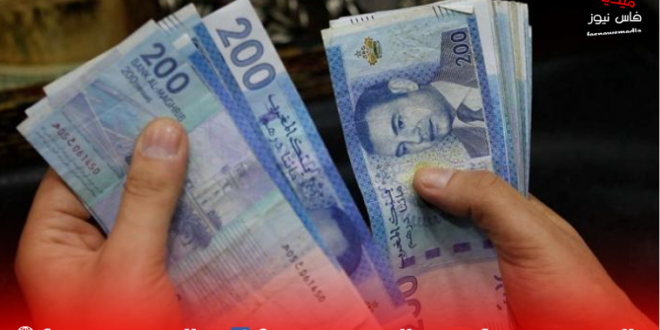
Khemisset – Citizens from the city of Khemisset expressed, in correspondence received by “Fes News” newspaper, their profound frustration with the concerning situation at three branches of a major bank in the area, which have become unable to meet customers’ needs for cash withdrawals or provide basic services. This reality comes within a broader context in which the Moroccan banking sector is experiencing a noticeable escalation in liquidity deficit, raising questions about the effectiveness of regulatory measures and their impact on citizens’ daily lives.
According to the complaint submitted, which “Fes News” published among its readers’ correspondence, “three branches of ******* Bank are currently either out of service or empty of liquidity.” The reader recounts details of his personal experience, saying: “In Khemisset, we went yesterday and found it not working, today I went to two branches, the first has no liquidity and the second is not operating.” This testimony reflects daily difficulties faced by residents, especially in the city of Khemisset, which depends on these branches to withdraw salaries, pay bills, or conduct simple transactions, amid weak digital alternatives or ATMs in neighboring rural areas.
Banking Liquidity Deficit Escalating at National Level
This problem is not limited to Khemisset, but is a reflection of a broader liquidity crisis in Moroccan banks, as revealed by recent economic reports. According to the research center “BMCE Capital Global Research,” the average liquidity deficit in Moroccan banks increased by 5.19% to reach 144.6 billion dirhams during the period from October 23 to 29, 2025, with an additional increase of 6.15% to 137.7 billion dirhams between November 13 and 19, 2025. This deficit is attributed to a decline in Bank Al-Maghrib’s advance operations and increased demand for cash liquidity, especially with the approach of the fiscal year-end and social occasions.
Economic expert Ahmed Al-Maghribi, in statements to Hespress, also raised the responsibility of Bank Al-Maghrib and the Professional Association of Banks (GPBM) in updating ATM software to keep pace with growing demand, warning that this situation raises “legal responsibilities” and affects confidence in the banking system. In an American report by “Affinytix” company, which analyzed thousands of comments from customers of Moroccan banks such as Attijariwafa Bank and Banque Populaire, recurring complaints emerged about “poor treatment” and “service disruptions,” including liquidity shortages, reflecting gaps in service quality.
Impact on Citizens and Local Economy
In the city of Khemisset, which is experiencing economic growth supported by agriculture and commerce, liquidity shortage is an obstacle to daily activity, especially for working-class citizens and retirees who depend on cash. Economic researchers indicate that these problems worsen during peak periods, such as holidays or month-end, when demand for liquidity rises by up to 200%, exposing citizens to frustration and weakening confidence in banking services.
Call for Official Intervention
“Fes News,” in its bulletin, calls on relevant authorities, including Bank Al-Maghrib and banking institutions, to take immediate measures to enhance liquidity and improve the geographical distribution of branches. It also recommends promoting awareness of digital transactions as an alternative, while ensuring protection of electronic transactions. In this context, reports confirmed that the relative decline in the deficit (by 1.73% in some weeks) could be a positive sign, provided regulatory efforts continue.
This reality remains a reminder of the importance of strengthening banking governance to ensure service sustainability, while “Fes News” continues to receive readers’ correspondence to highlight their issues, with the aim of promoting transparency and community dialogue.