Fes News Media Morocco & Fez-Meknes Independent English News Portal — 24/7 Coverage


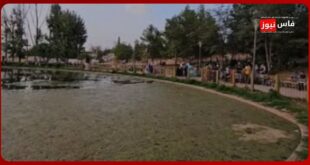
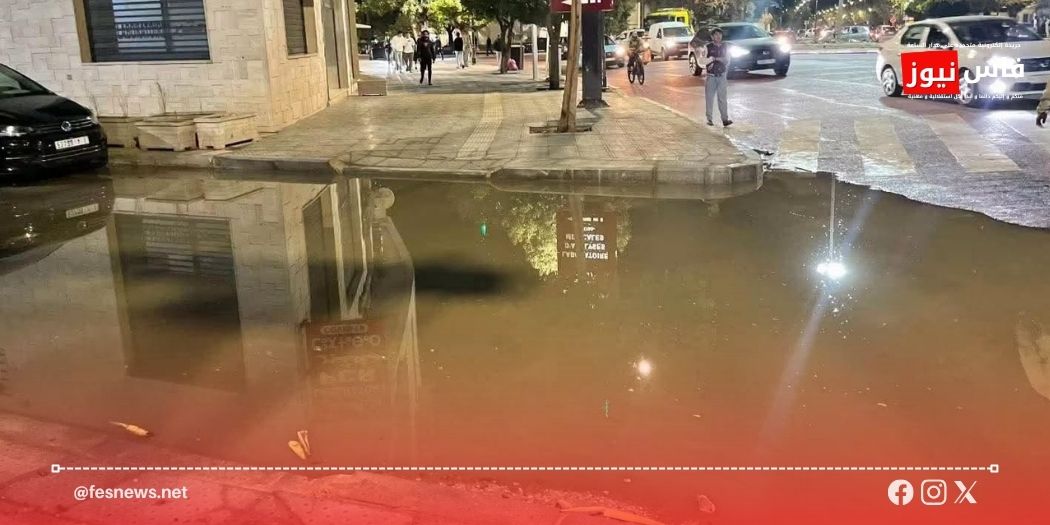
- The city of Al-Hajeb has recently witnessed significant controversy regarding the safety of water from the Ain Khaddem spring for drinking and use
- This followed the local authorities placing warning signs advising residents not to consume this water due to alleged contamination
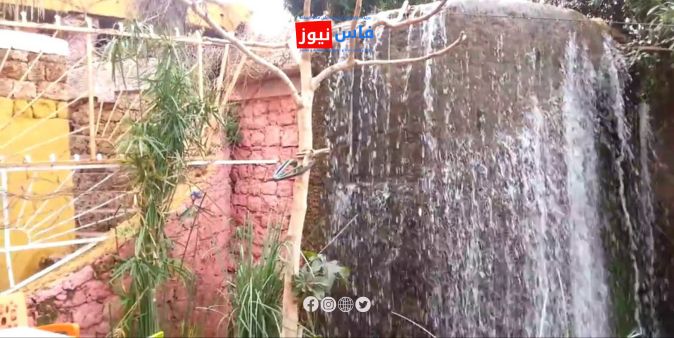
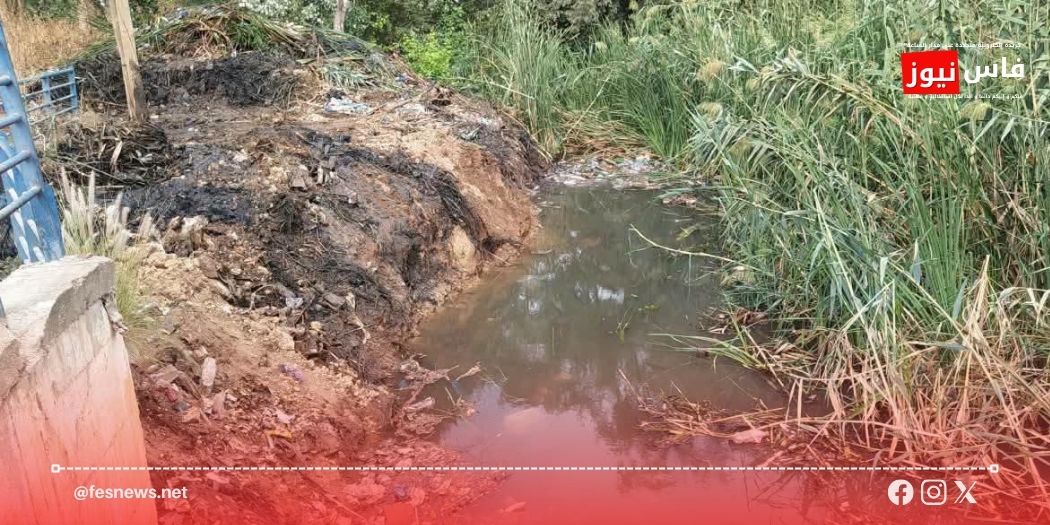
The city of Al-Hajeb has recently witnessed significant controversy regarding the safety of water from the Ain Khaddem spring for drinking and use. This followed the local authorities placing warning signs advising residents not to consume this water due to alleged contamination.
In contrast, the local Public Affairs Observatory issued statements on social media quoting the president of the communal council affirming that the water is safe and potable. He noted that the contamination occurred back in 2018 and that the council lacks the capacity to implement the necessary measures to address certain sources of water pollution. However, shortly after, the Provincial Delegation of the Ministry of Health and Social Protection in Al-Hajeb confirmed through laboratory analysis that the water is contaminated with rodent waste (urine), rendering it completely unfit for human consumption.
Stakeholders and Role Discrepancies
The local authority fulfilled its duty by informing citizens of the water hazard through warning signs, with Mohsen Khdir, Deputy Pasha of Al-Hajeb city, intervening to relay the matter and initiate investigations.
The Provincial Health and Social Protection delegation provided a scientific report confirming the water’s lack of suitability, which serves as the primary reference for local authorities in such cases, reflecting coordination efforts to protect the population.
On the other hand, the local communal council’s role appears to be absent. Legally and administratively, according to the Organizational Law of Territorial Communities (Law 113.14), the communal council is responsible for managing groundwater networks and natural springs like Ain Khaddem. The council is mandated to manage local public facilities related to potable water and sanitation, ensure the safety of groundwater and springs, and coordinate with competent authorities when a public health risk arises.
Local media also contributed negatively by spreading inaccurate information based on unofficial verbal statements without referencing official reports or reliable analyses, thereby exacerbating confusion and distrust among residents.
Lessons Learned and Proposed Solutions
This episode clearly demonstrates the necessity of enhancing transparency and institutional coordination among the communal council, local authorities, and health services. Additionally, local media must rely on official sources rather than unverified verbal reports that may mislead public opinion.
Furthermore, there is a pressing need to develop a proactive plan for the regular cleaning and maintenance of water sources to prevent recurrence of such incidents that threaten public health.
In conclusion, citizen journalism emphasizes that the Ain Khaddem water issue is not an isolated incident but a true test of institutional responsibility in safeguarding public health. Conflicting official and unofficial narratives undermine the public interest, erode trust, and complicate the crisis. It is imperative that all stakeholders unify their information, assume responsibility, and work toward practical solutions, as water is a fundamental right, and any negligence in its maintenance or monitoring constitutes a direct threat to public health.