فاس نيوز ميديا جريدة الكترونية جهوية تعنى بشؤون و أخبار جهة فاس مكناس – متجددة على مدار الساعة

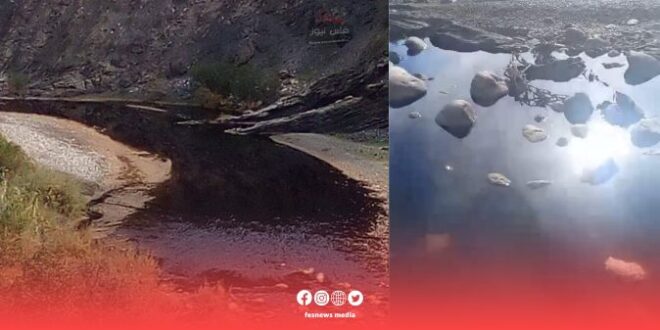
Morocco’s Minister of Energy Transition and Sustainable Development, Leila Benali, has received a parliamentary question regarding the worsening environmental pollution linked to the discharge of olive mill liquid waste—known locally as “margan”—into waterways and sewer networks in Taounate Province, coinciding with the olive harvest season.
According to the text of the question submitted by the National Union of Labour in Morocco (UNTM) parliamentary group, the province records repeated environmental and agricultural impacts each olive pressing season, as some milling units—according to the same source—dispose of these residues through practices that do not comply with legal standards. This, the question says, affects the natural environment and nearby farmland, and has become a growing concern for residents in several areas.
The question notes that such practices, based on the information cited, constitute a violation of environmental legislation and run counter to national orientations on sustainable development—particularly in a province where a significant share of the population relies on agriculture as a main source of income.
The parliamentary group called on the supervising ministry to clarify the measures taken to curb this type of pollution and to provide an overview of inspection and monitoring operations carried out by competent services during the current season to detect violations related to olive mills in the province. It also asked about the legal and punitive steps taken against non-compliant mills, and whether alternative technical solutions are available to treat and valorize “margan” in line with environmental standards. The question further called for urgent measures to protect farmland and affected residents and to prevent the recurrence of such practices in future seasons.
Source: Fes News Media