Fes News Media Morocco & Fez-Meknes Independent English News Portal — 24/7 Coverage


- Ouatat El Haj, Morocco – In an unprecedented development, a widely circulated video on social media dated August 30, 2025, suggests an attempt to cultivate tea ...
- This initiative comes as part of Morocco’s ongoing efforts to diversify its agricultural crops and reduce its heavy reliance on tea imports
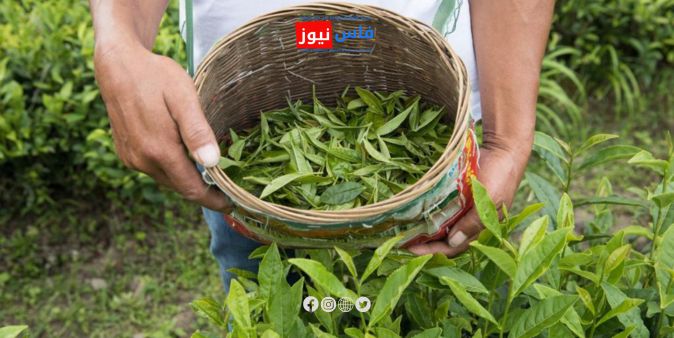
Ouatat El Haj, Morocco – In an unprecedented development, a widely circulated video on social media dated August 30, 2025, suggests an attempt to cultivate tea (Camellia sinensis) in the village of Tagour, part of the Rmila commune in the Ouatat El Haj district of Boulemane province. This initiative comes as part of Morocco’s ongoing efforts to diversify its agricultural crops and reduce its heavy reliance on tea imports.
A Bid for Self-Sufficiency
Morocco is the world’s largest importer of Chinese tea, with imports reaching 80.6 thousand tons in 2024, valued at over $200 million. This reliance has long been an economic challenge, pushing authorities to seek local alternatives. While initial tea cultivation experiments have taken place in some areas, such as the Gharb plain, the Tagour initiative is particularly significant as it is being conducted in a semi-arid region, unlike the temperate climates preferred by tea plants.
This experiment is believed to be part of broader national projects aimed at introducing new crops, similar to those involving collaboration with Chinese investors in the Larache province. The efforts in Boulemane may be intended to test the tea plant’s ability to adapt to the region’s conditions, which are characterized by low rainfall (around 300 mm annually) and high temperatures.
Environmental Challenges and Scientific Solutions
This initiative faces significant environmental challenges, most notably soil erosion and water scarcity. However, these obstacles can be overcome by adopting modern techniques, such as no-till farming, which has proven effective in reducing soil erosion by up to 60% in similar projects supported by the International Atomic Energy Agency (IAEA). Additionally, integrating tea with other local crops like mint could enhance the value of the final product, famously known worldwide as “Maghrebi tea.”
If successful, this experiment could open the door to new economic opportunities for the local population and contribute to creating sustainable jobs. Although the path to self-sufficiency is still long, these local initiatives represent a crucial step toward achieving the agricultural development goals outlined in the 2022-2026 roadmap.
Future Prospects
Despite the optimism, the tea cultivation project in Morocco remains in an experimental phase. Experts emphasize the need for investments in modern irrigation systems and training for local farmers. However, past successes in other agricultural projects, such as argan oil, provide hope that this experiment could become a model to be emulated, inspiring similar initiatives in other parts of the Middle Atlas.
Will the small village of Tagour transform into a leading center for tea cultivation in Morocco?