Fes News Media Morocco & Fez-Meknes Independent English News Portal — 24/7 Coverage


- On September 11, 2025, the city of Taza celebrated the inauguration of its new railway station, a major investment project costing approximately 50 million dirh...
- The station aims to enhance connectivity between the city and various regions across Morocco and to boost local economic development

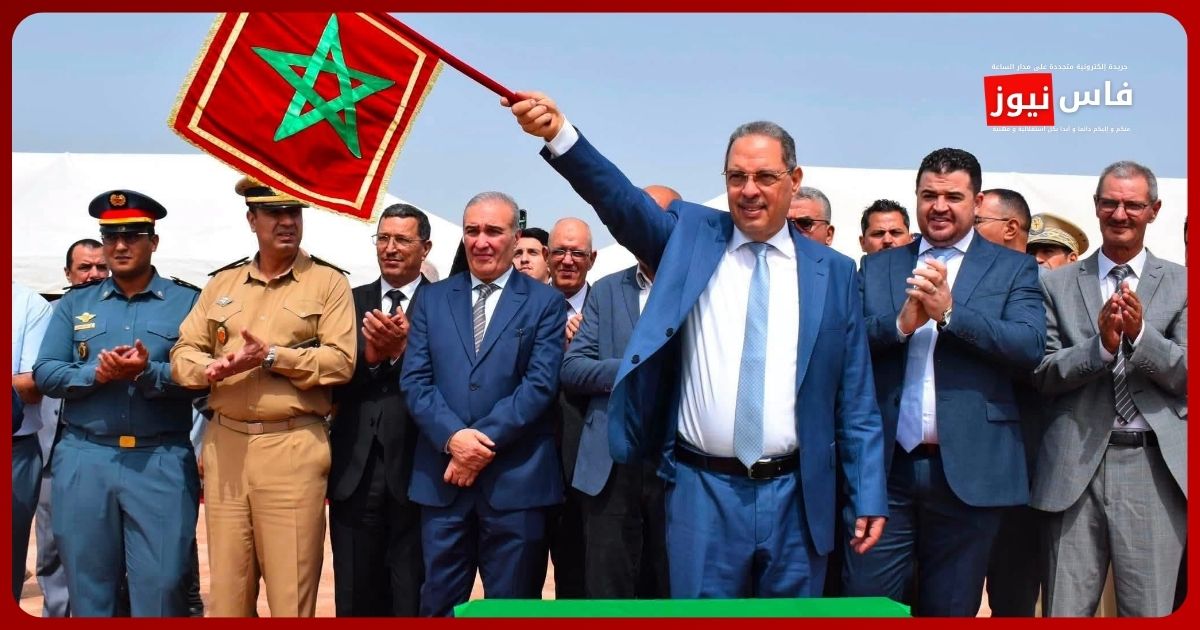
On September 11, 2025, the city of Taza celebrated the inauguration of its new railway station, a major investment project costing approximately 50 million dirhams. The station aims to enhance connectivity between the city and various regions across Morocco and to boost local economic development. The opening ceremony was attended by Abdelssamad Kayouh, Minister of Transport and Logistics, Mohamed Rabie Khlie, Director General of the National Railway Office (ONCF), and several local officials.
The station, covering an area of 1,700 square meters, was designed by the Moroccan engineering firm “Orange Atelier” in a contemporary, functional style that respects the urban fabric. It includes a spacious reception hall, commercial spaces, and approximately 70 parking spots. Additionally, the project introduces new daily train connections between Taza and Fès, as well as a direct bus service linking Taza to Al Hoceima.
While some social media users praised the level of services and the modernity of the station, others expressed dissatisfaction with the building’s design, describing it as “cold” and “lacking identity.” Criticism spread across Twitter, Facebook, and Instagram, focusing on the absence of Amazigh and Tifinagh symbols on the station’s facades, which serve as the city’s main gateway. Critics argue that this style erases the architectural memory of Taza, known for its rich Moroccan-Amazigh-Moorish heritage evident in its mosques, schools, walls, and ancient homes.
Activists warned that adopting a global architectural style devoid of local memory represents a “civilizational setback,” adding to Morocco’s urban renewal record, which often overlooks the balance between modernity and heritage.
Conversely, some architects defended the modern design, viewing it as reflecting a new vision for transport infrastructure, expressing hope that future projects will better integrate tradition with innovation.
The debate over the identity of public buildings like Taza’s station highlights a broader Moroccan discourse on reconciling urban renewal with preserving cultural memory, especially in cities with rich, multicultural architectural heritage like Taza, which sits at the crossroads of the Middle Atlas Mountains and the Rif region.
Despite its ambition to modernize transportation infrastructure in eastern Morocco, the project opens a necessary dialogue about improving architectural practices and protecting heritage elements in future developments, safeguarding the history and identity of cities amid rapid urban transformation.