Fes News Media Morocco & Fez-Meknes Independent English News Portal — 24/7 Coverage


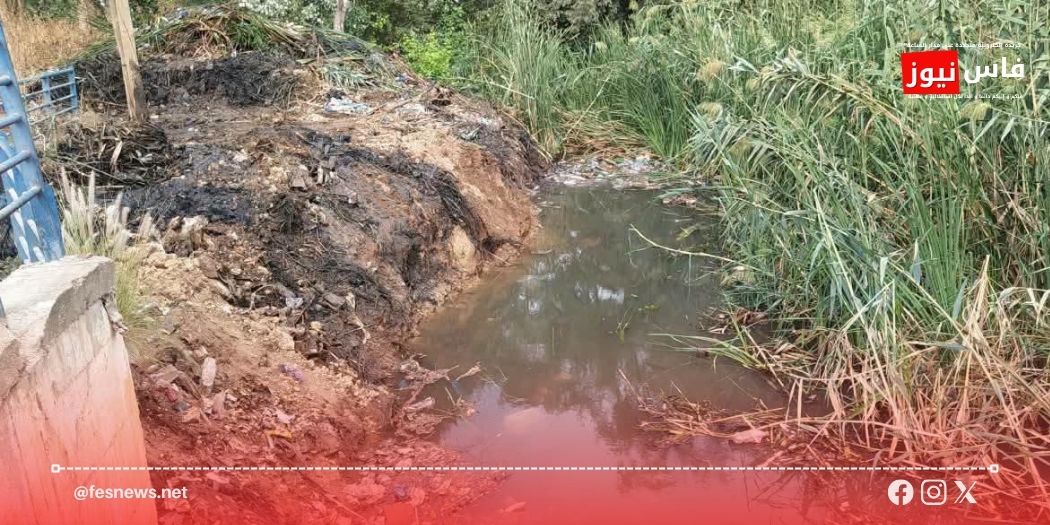
- Taza, Morocco – “Ain Al-Hamra” (The Red Spring), located in the Ajdir commune of the Taza province, is a unique tourist and therapeutic destination
- However, it faces significant challenges that may hinder its optimal use

Taza, Morocco – “Ain Al-Hamra” (The Red Spring), located in the Ajdir commune of the Taza province, is a unique tourist and therapeutic destination. However, it faces significant challenges that may hinder its optimal use. This spring holds special prestige since it was named “Ain Al-Rahma” (Spring of Mercy) by the late King Mohammed V during his visit to the region in 1956, in appreciation of its healing properties that have been passed down through generations.
Local residents and visitors believe that the waters of Ain Al-Hamra, which are characterized by their reddish hue due to a high concentration of minerals, possess healing properties for a range of ailments. According to a sign placed by local civil society actors, its waters have been analyzed by “specialized doctors and scientists,” including Dr. Chano from Rabat and Michel Dirand from the Sorbonne University, who confirmed their effectiveness in treating “respiratory illnesses, liver and digestive diseases, nervous and joint disorders, in addition to anemia.” Despite this, the sign warns against drinking the water for individuals suffering from kidney diseases.
For maximum benefit, visitors are advised to drink five liters of the water in the early morning and attempt to vomit it, a process locally known as “stomach cleansing.” Those who have tried it say it provides a feeling of relief and increases appetite. Experts explain that the spring’s water is saturated with iron particles, and it is best consumed directly from the source to prevent it from oxidizing and losing its therapeutic properties.
Despite its importance, those concerned with the region are calling for more attention to this site, especially since the road leading to it is rough and difficult, posing the biggest obstacle for the thousands of visitors who come annually for healing and to enjoy the breathtaking natural landscapes. Unofficial statistics indicate that the spring receives about 2,000 tourists weekly, many of whom choose to stay in homes rented by local residents to ensure daily consumption of the water.
In light of these challenges, community activists are appealing to provincial and regional authorities to pay attention to this natural treasure and repair the road leading to it. Such an effort could transform it into a unique tourist destination capable of attracting thousands of visitors monthly and contributing to the economic development of the region.