Fes News Media Morocco & Fez-Meknes Independent English News Portal — 24/7 Coverage

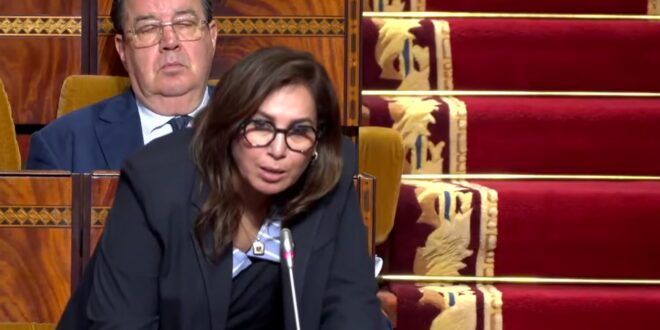
- RABAT — Member of Parliament Halima El Zoumi, representing the Fez-Meknes regional constituency within the Istiqlal Group for Unity and Egalitarianism at Morocc...
- Addressing Minister of Employment and Social Dialogue Abderrahim Chahid during the weekly oral questions session in Parliament, El Zoumi welcomed the creation o...
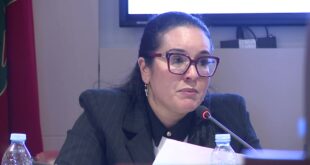
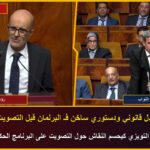
RABAT — Member of Parliament Halima El Zoumi, representing the Fez-Meknes regional constituency within the Istiqlal Group for Unity and Egalitarianism at Morocco’s House of Representatives, called on the government to establish permanent institutional mechanisms to monitor social dialogue commitments and extend collective bargaining systematically to private-sector employees.
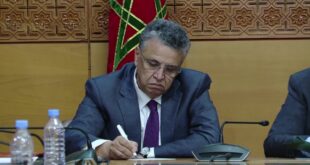
Addressing Minister of Employment and Social Dialogue Abderrahim Chahid during the weekly oral questions session in Parliament, El Zoumi welcomed the creation of a dedicated ministerial portfolio for social dialogue within the new cabinet structure, describing the move as a strong institutional signal reinforcing social peace and tripartite partnership between the state, trade unions, and employers.
Tracking the 50-Billion-Dirham Social Dialogue Envelope
Highlighting the government’s allocation of nearly 50 billion dirhams ($5 billion) to finance social dialogue agreements, MP El Zoumi stressed that the decisive test lies in rigorous, scheduled implementation and continuous administrative follow-up so that signed accords translate swiftly into tangible wage and career improvements across public administration.
Support for Education, Vocational Training, and National Mutual Aid Staff
Drawing attention to strategic human-development sectors, the Fez-Meknes lawmaker urged sustained government engagement to resolve pending sectoral files, specifically citing personnel in national education, vocational training, and Entraide Nationale (National Mutual Aid), alongside other front-line public institutions serving citizens nationwide.
Extending Collective Bargaining to the Private Sector to Shield Purchasing Power
El Zoumi emphasized that social equity requires broadening institutionalized social dialogue to cover private-sector workers, ensuring that employees in private enterprises benefit equally from collective negotiations, income improvements, and labor protections.
Concluding her parliamentary intervention, she underscored that rising living costs and price pressures directly affecting Moroccan households’ purchasing power make regular, inclusive social dialogue indispensable for safeguarding middle-income and working families while preserving economic competitiveness.