Fes News Media Morocco & Fez-Meknes Independent English News Portal — 24/7 Coverage

- Le chantier de l’économie sociale et solidaire est revenu au cœur du débat parlementaire, après que les groupes de l’opposition à la Chambre des représentants o...
- The social and solidarity economy has returned to the center of parliamentary debate after opposition groups in the House of Representatives voiced sharp critic...
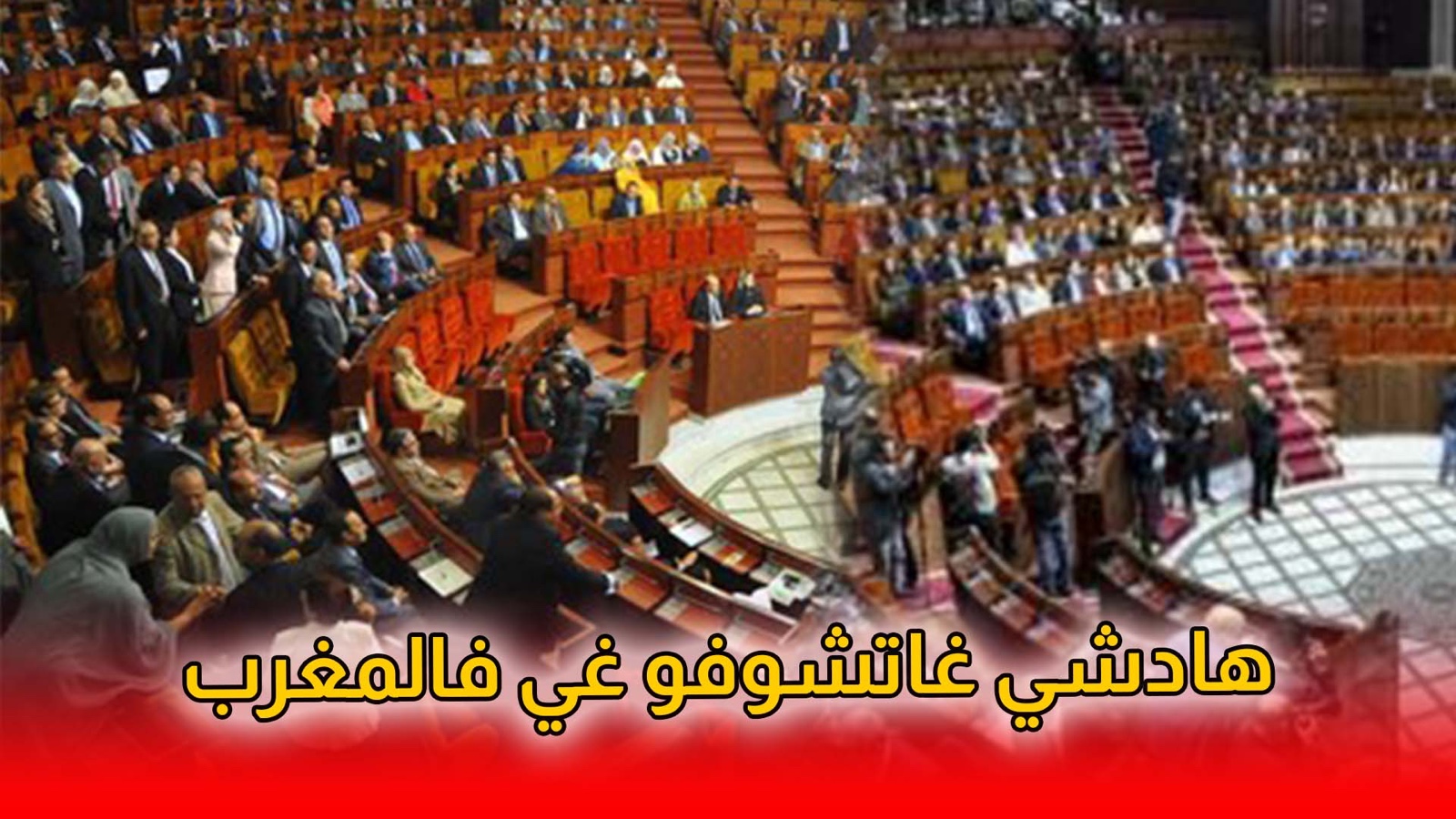
Le chantier de l’économie sociale et solidaire est revenu au cœur du débat parlementaire, après que les groupes de l’opposition à la Chambre des représentants ont adressé de vives critiques à l’action du gouvernement, estimant que ce secteur, censé constituer un pilier du développement social et territorial, demeure en retrait, loin des promesses et engagements annoncés.
The social and solidarity economy has returned to the center of parliamentary debate after opposition groups in the House of Representatives voiced sharp criticism of the government’s performance, arguing that this sector—supposed to be a pillar of social and territorial development—remains sidelined and far from the promises and commitments announced.
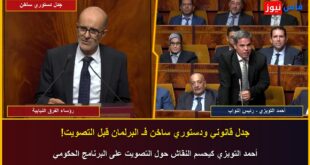
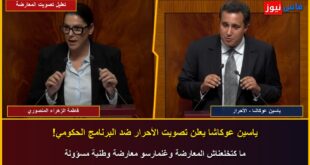
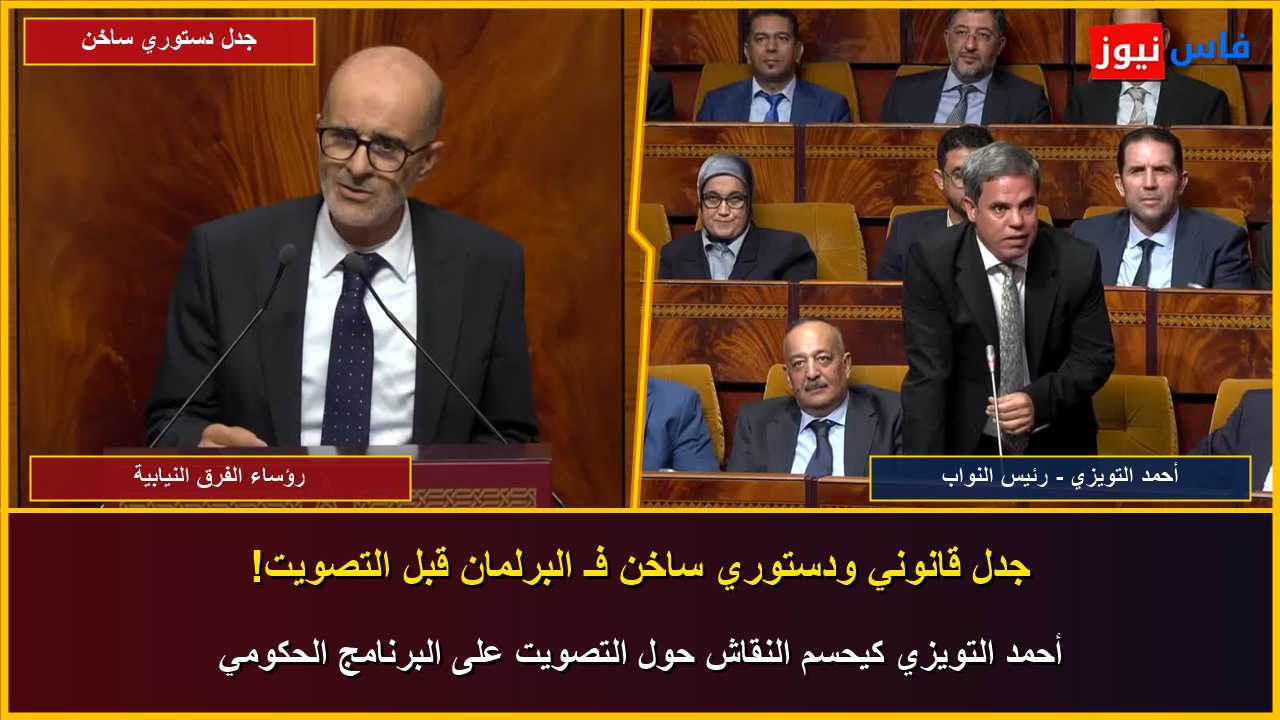
Lors de la séance mensuelle des questions sur la politique générale, consacrée aux rôles de l’économie sociale et solidaire, l’opposition a considéré que le discours gouvernemental n’est pas accompagné d’une mise en œuvre concrète sur le terrain, soulignant que les chiffres disponibles reflètent la faible contribution de ce secteur au tissu productif, tant en matière de création d’emplois que d’intégration des populations vulnérables et des jeunes.
During the monthly session of questions on general policy, dedicated to the role of the social and solidarity economy, the opposition argued that government rhetoric is not matched by concrete implementation on the ground, noting that available figures show the sector’s limited contribution to the productive fabric, both in job creation and in the integration of vulnerable groups and young people.
Dans ce contexte, les intervenants de l’opposition ont insisté sur le fait que l’économie sociale et solidaire ne doit pas être réduite à une approche sociale étroite, mais considérée comme un véritable secteur économique productif, capable de réduire les disparités territoriales et sociales et de renforcer l’inclusion économique, notamment dans les zones rurales et montagneuses confrontées à la fragilité et au manque d’investissement.
In this context, opposition speakers stressed that the social and solidarity economy should not be confined to a narrow social approach, but rather treated as a genuine productive economic sector capable of reducing territorial and social disparities and strengthening economic inclusion, particularly in rural and mountainous areas facing vulnerability and low investment.
Des groupes parlementaires ont également relevé que la contribution toujours limitée de ce secteur au produit intérieur brut, ainsi que le maintien d’une large part de la population active en dehors de ses circuits, traduisent des dysfonctionnements dans les politiques publiques et une intégration insuffisante dans les programmes gouvernementaux, y compris les mécanismes d’investissement et de soutien.
Parliamentary groups also noted that the sector’s continued limited contribution to gross domestic product, along with the exclusion of a large share of the active population, reflects shortcomings in public policies and insufficient integration into government programs, including investment and support mechanisms.
L’opposition a par ailleurs mis en avant la fragilité des coopératives, mutuelles et associations, qui opèrent, selon elle, dans des conditions difficiles marquées par un faible accompagnement et un accès limité au financement, ainsi que par l’absence de mécanismes efficaces de commercialisation et de protection sociale, les rendant vulnérables aux fluctuations économiques et climatiques, notamment dans les secteurs liés à l’agriculture et aux produits du terroir.
The opposition also highlighted the fragility of cooperatives, mutual organizations, and associations, which, according to them, operate under difficult conditions marked by weak support and limited access to financing, as well as the absence of effective marketing and social protection mechanisms, making them vulnerable to economic and climatic fluctuations, especially in agriculture-related and local product sectors.
D’autres interventions parlementaires ont lié les difficultés de ce secteur au contexte économique général, marqué par des défis liés à la croissance, au chômage et au pouvoir d’achat, estimant que l’absence d’une vision intégrée de l’économie sociale et solidaire limite sa capacité à jouer un rôle effectif dans le renforcement de la cohésion sociale et l’intégration du secteur informel.
Other parliamentary interventions linked the difficulties facing this sector to the broader economic context, characterized by challenges related to growth, unemployment, and purchasing power, arguing that the absence of an integrated vision for the social and solidarity economy limits its ability to play an effective role in strengthening social cohesion and integrating the informal sector.
L’opposition a conclu que le développement de l’économie sociale et solidaire demeure tributaire de l’existence d’une volonté politique claire, capable de passer du registre des déclarations à celui de l’impact réel, à travers l’intégration de ce secteur dans les grandes politiques publiques et sa transformation en véritable levier de justice sociale et territoriale.
The opposition concluded that developing the social and solidarity economy depends on the presence of clear political will capable of moving from statements to tangible impact, by integrating this sector into major public policies and turning it into a genuine lever for social and territorial justice.
Source: Fes News Media