فاس نيوز ميديا جريدة الكترونية جهوية تعنى بشؤون و أخبار جهة فاس مكناس – متجددة على مدار الساعة


U.S. President Donald Trump announced on Saturday that American forces had carried out what he described as a “large-scale operation” in Venezuela, resulting in the arrest of Venezuelan President Nicolás Maduro and his wife. Trump added that the United States intends to “lead” a transitional phase in the South American country.
The announcement sparked a broad wave of international reactions, ranging from strong condemnation and calls to respect international law, to welcoming positions that described the developments as the beginning of a “new phase” for Venezuela.
Condemnations and Warnings Over Violations of International Law
China urged the United States to ensure the personal safety of the Venezuelan president and his wife and to move toward their release, considering the arrest a “blatant violation of international law.” Beijing warned of the repercussions of what it described as “hegemonic behavior” on the security of Latin America and the Caribbean.
For his part, UN Secretary-General António Guterres expressed concern over the lack of respect for international law, describing the incident as a “dangerous precedent” and calling for inclusive dialogue within Venezuela, in line with respect for human rights and the rule of law.
Colombia announced the deployment of forces along its border with Venezuela, warning of a potential humanitarian crisis. Colombian President Gustavo Petro called for an emergency meeting of the Organization of American States and the United Nations to discuss the “legitimacy” of the U.S. operation.
Brazil, through President Luiz Inácio Lula da Silva, condemned what it called a “serious violation of Venezuela’s sovereignty,” warning of threats to regional stability. Mexico, South Africa, and Iran also denounced the operation, describing it as an “unlawful” use of force.
Calls for De-escalation and a Peaceful Transition
Turkey urged all parties to exercise restraint to avoid negative repercussions for regional and international security. The European Union stressed the need to respect international law while reaffirming support for a democratic and peaceful transition in Venezuela.
In this context, EU foreign policy chief Kaja Kallas said she had called for de-escalation during a phone conversation with the U.S. Secretary of State, while European Commission President Ursula von der Leyen emphasized that any solution must comply with the UN Charter.
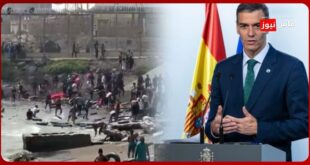
The United Kingdom stated that it did not take part in the operation, while reaffirming its support for a transition of power in Venezuela. Spain, meanwhile, called for a “fair” solution based on dialogue, rejecting any intervention that violates international law.
Positions Welcoming the Operation
In contrast, Argentine President Javier Milei welcomed the U.S. action, considering it a step toward “freedom.” Ecuadorian President Daniel Noboa also expressed support for what he described as the “fall of Maduro,” sending a message of backing to the Venezuelan opposition.
Israel endorsed the operation, describing it as a “historic moment,” while Italy characterized it as a “defensive intervention,” despite expressing reservations about military solutions to end authoritarian regimes.
Hardline Stances and Sharp Criticism
Russia condemned the operation, describing it as an “armed aggression,” and argued that ideological considerations had prevailed over political realism. German Chancellor Friedrich Merz stated that the Maduro government bears responsibility for Venezuela’s crisis, while simultaneously calling for a political solution that respects international legal standards.
Similarly, Poland and Greece criticized the Venezuelan government, warning that recent developments open a new and uncertain phase on the international stage.
Source: Fes News Media