Fes News Media Morocco & Fez-Meknes Independent English News Portal — 24/7 Coverage


- Taza, Morocco – In a highly anticipated move to enhance the tourism appeal of the Fez-Meknes region, the restoration and rehabilitation work on the historic Fri...
- According to informed sources, the project is 90% finished, signaling that the cave will soon reopen to visitors after being closed for years
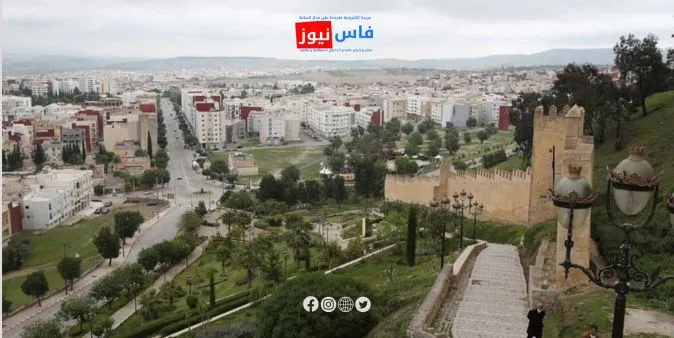
Taza, Morocco – In a highly anticipated move to enhance the tourism appeal of the Fez-Meknes region, the restoration and rehabilitation work on the historic Friouato Cave, located about 30 kilometers south of Taza, is nearing completion. According to informed sources, the project is 90% finished, signaling that the cave will soon reopen to visitors after being closed for years.
Discovered in the 1930s, Friouato Cave is one of the oldest and deepest caves in North Africa. It has been closed since 2016 following a tragic accident that resulted in the death of a visitor, prompting a comprehensive intervention to ensure tourist safety.
Comprehensive Rehabilitation Project at a Cost of MAD 12 Million
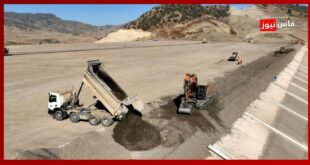
Restoration work began in December 2023 under the supervision of the Regional Agency for Project Implementation (AREP), which falls under the Fez-Meknes Regional Council. The project, with a budget ranging from MAD 10 to 12 million, aims to transform the cave into a safe and integrated tourist destination.
The rehabilitation work includes crucial measures such as:
- Stabilizing unstable areas to prevent rockfalls and ensure the safety of internal pathways.
- Widening pathways and creating a safe route for visitors, including new stairs for a descent of up to 500 steps.
- Installing a modern and eco-friendly lighting system that highlights the beauty of the geological formations without harming the cave’s natural environment.
- Creating external facilities including parking lots and visitor reception areas.
Enhancing the Fez-Meknes Region’s Tourism Product
The reopening of Friouato Cave presents a golden opportunity to revitalize mountain and speleotourism in the Taza province, which used to attract about 10,000 visitors annually before its closure. This project is expected to enhance the overall tourism product of the region by drawing in new segments of tourists interested in nature and adventure.
In addition to its tourism significance, the cave holds great scientific value as a rich field for researchers in geology and anthropology. The efforts being made to ensure its sustainability are an investment in the Kingdom’s natural and scientific heritage.
This step demonstrates the commitment of local and regional authorities to strengthening tourism infrastructure and creating sustainable economic opportunities, thereby bolstering the Fez-Meknes region’s position as a leading and diverse tourist destination.