Fes News Media Morocco & Fez-Meknes Independent English News Portal — 24/7 Coverage


- Al Hajeb – Follow-up Al Hajeb Province, strategically located at the foothills of the Middle Atlas and just a stone’s throw from two major urban centers, Fes an...
- In a statement to “Fes News,” an informed source confirmed that “the provincial authorities, under the leadership of the new governor, are making genuine effort...
Al Hajeb – Follow-up
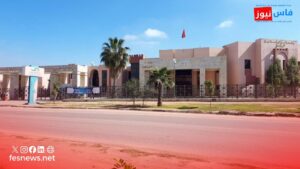
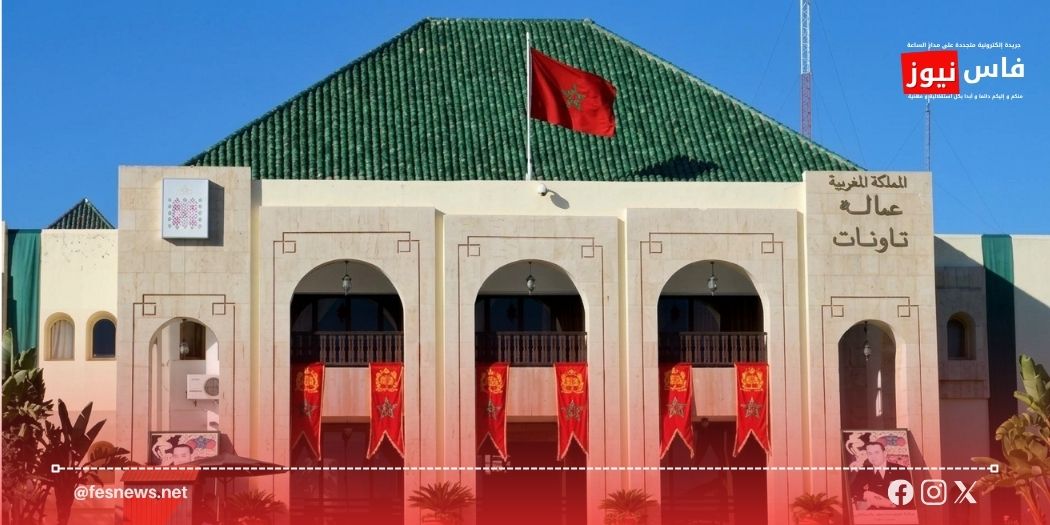
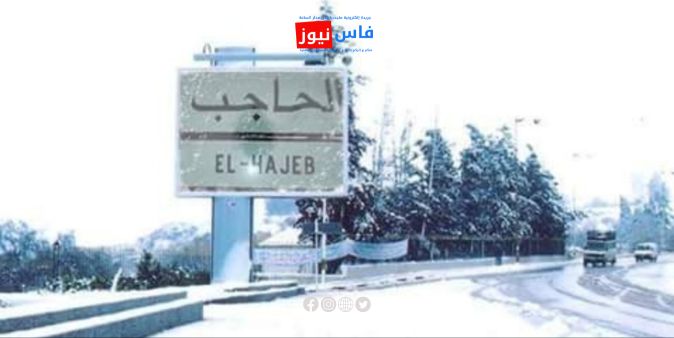
Al Hajeb Province, strategically located at the foothills of the Middle Atlas and just a stone’s throw from two major urban centers, Fes and Meknes, is living through a stark paradox: enormous natural, agricultural, and touristic potential contrasted with a reality of persistent developmental neglect, despite efforts made by the provincial authorities.
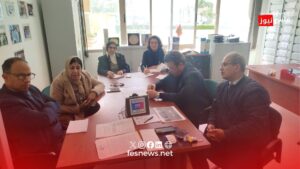
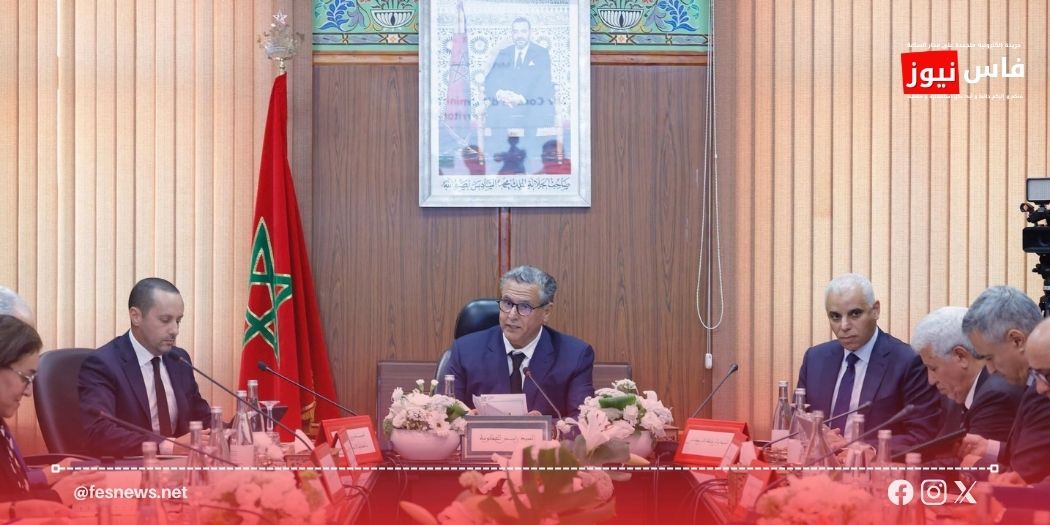
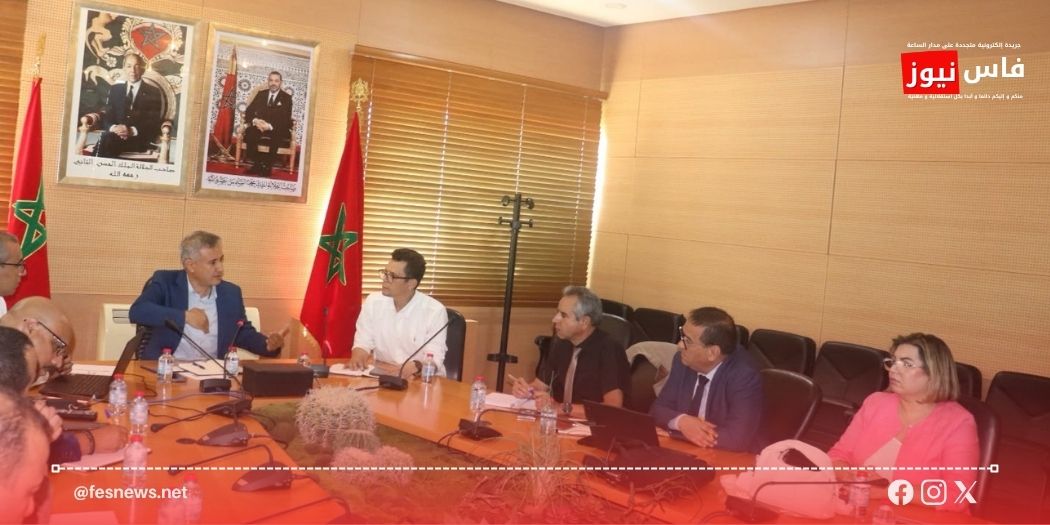
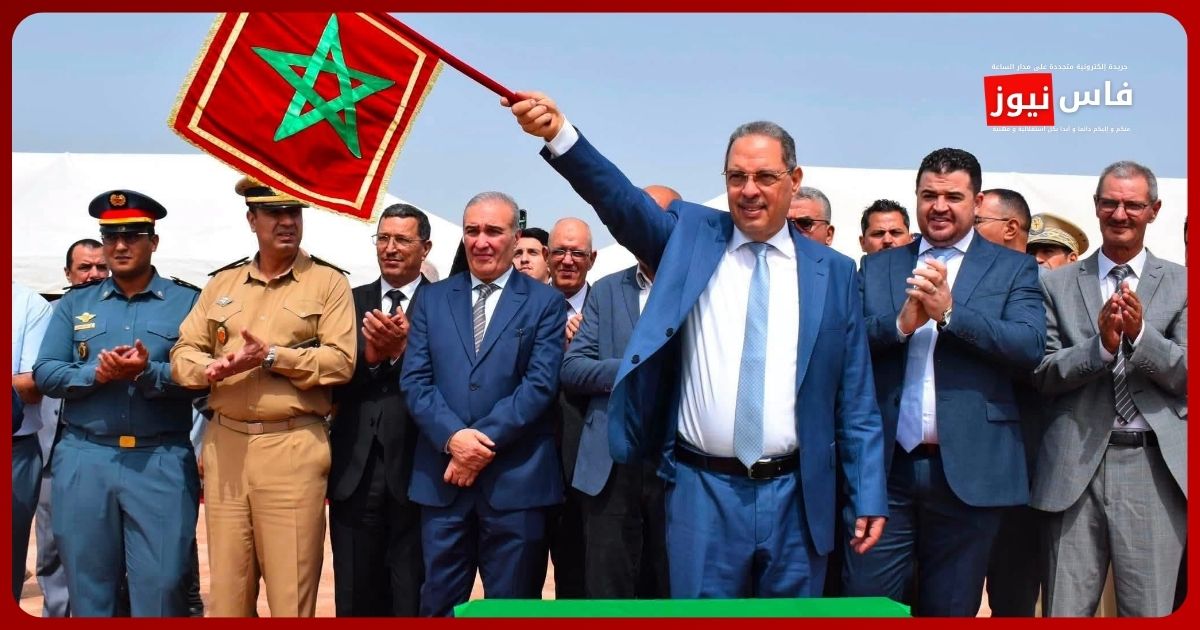
In a statement to “Fes News,” an informed source confirmed that “the provincial authorities, under the leadership of the new governor, are making genuine efforts through field visits and attempts to revive stalled projects, but it seems that decades of stagnation and marginalization are too deep to be resolved by temporary solutions.” The source added, “There is a general feeling among the population that the wheel of development is almost stopped, and that the province has not received its fair share of major projects that could change the face of the region.”
Al Hajeb boasts unique assets: it is the gateway to the Middle Atlas with its stunning natural landscapes, famous for its towering cliffs and fresh water springs such as Ain Dhehiba, Ain Khadem, and Ain Aghbal, which alone constitute an eco-tourism attraction capable of drawing thousands of visitors. The province is also a true granary, known for producing some of the finest onions, potatoes, olives, grains, and other regional products such as honey.
However, this natural and economic “treasure” remains underutilized. The tourism sector, which should be a development engine, suffers from an almost complete lack of infrastructure capable of accommodating tourists. There are insufficient classified hotels, no clear tourist routes, and no marketing plan to promote the province’s assets, which often serve merely as a transit point to Ifrane or Azrou.
“The paradox is that we have everything to be a leading touristic and agricultural destination, yet we do not see its impact on the life of the average citizen or on the province’s infrastructure,” says a local community activist, adding, “We hear about projects and programs under the National Human Development Initiative and others, but their impact on the ground remains limited, and many are still stalled.”
The local population and economic actors in Al Hajeb remain in a state of anticipation, hoping that current efforts will go beyond administrative measures and evolve into an integrated development strategy capable of breaking the isolation of the ‘Gateway to the Atlas’ and transforming its natural wealth into real projects that benefit the region and its inhabitants.