Fes News Media Morocco & Fez-Meknes Independent English News Portal — 24/7 Coverage


- MADRID / LISBON (FesNews Media) — Dedicated Digital Nomad and International Telework Visas in Spain, Portugal, and Italy have created a high-demand legal reside...
- Under Spain’s Startup Law framework, remote professionals holding a university degree or three years of professional experience and proving stable monthly remot...
MADRID / LISBON (FesNews Media) — Dedicated Digital Nomad and International Telework Visas in Spain, Portugal, and Italy have created a high-demand legal residency pathway in 2026–2027 for Moroccan software engineers, UI/UX designers, financial analysts, and independent freelancers working remotely for international clients.
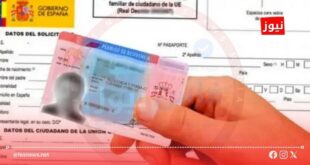
Under Spain’s Startup Law framework, remote professionals holding a university degree or three years of professional experience and proving stable monthly remote income of approximately 2,650 euros can obtain a one-year consular visa or a three-year residency card when applying legally from within Spain.
Full Schengen Mobility, Family Inclusion, and Path to Permanent Residency
Digital Nomad residence cards grant full visa-free travel across the 29-nation Schengen Area, work authorization for accompanying spouses, favorable flat-rate tax regimes, and full credit toward five-year European permanent residency.
International labor market analytics for the 2026–2027 cycle indicate that qualification criteria under Spain, Portugal, and Italy Digital Nomad Visas in 2026 increasingly prioritize candidates who combine accredited academic or vocational credentials with verifiable professional experience and certified language proficiency—giving multilingual Moroccan graduates and technicians a distinct advantage across European, North American, and GCC recruitment systems.
Mandatory Application Dossier, Points Optimization, and Document Authentication
To maximize approval rates and prevent administrative delays during consular or federal screening, immigration attorneys recommend assembling a complete verification file prior to online submission. Essential components include a biometric passport valid for at least 18 months, a target-country standardized CV (such as Canadian format or European Europass), and formal employment reference letters corroborated by CNSS social security contribution transcripts and bank salary statements.
Securing accredited language test results early—such as TCF/TEF Canada for French, IELTS/CELPIP for English, or Goethe/Telc for German—alongside an official Educational Credential Assessment (ECA) substantially elevates candidate ranking scores, placing Moroccan professionals at the forefront of category-based invitation rounds and international employer hiring fairs.
Net Compensation Benchmarks, Family Reunification Rights, and Permanent Residency Pathways
From an economic perspective, regulated skilled migration and international work visa frameworks enable Moroccan engineers, healthcare practitioners, IT specialists, and tradespeople to secure formal employment contracts offering net monthly compensation packages typically ranging between €2,200 and €4,800 (or USD/CAD equivalent) depending on sector, seniority, and destination, complete with statutory health insurance, occupational safety coverage, and pension accrual.
Furthermore, the vast majority of updated skilled worker and talent visa categories in 2026–2027 grant streamlined family reunification privileges, providing accompanying spouses with open work authorization and children with free access to public education, while counting all legal residence years toward permanent residency and eventual citizenship eligibility. Readers exploring international career mobility can also consult our companion guide: Italy Decreto Flussi 2026–2027 Work Visas for Moroccans: Reserved Bilateral Quotas in Agriculture, Construction, and Caregiving.