فاس نيوز ميديا جريدة الكترونية جهوية تعنى بشؤون و أخبار جهة فاس مكناس – متجددة على مدار الساعة

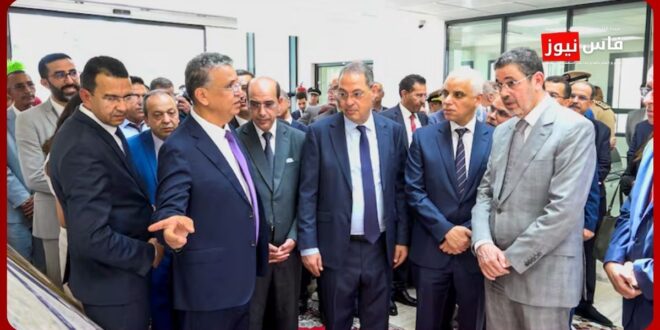
Sefrou – Le bâtonnier du Barreau de Fès, Abderrahim Abbabou, a brillé par son absence lors de la cérémonie d’inauguration du nouveau bâtiment du tribunal de la famille de Sefrou, présidée mardi 21 juillet 2026 par le ministre de la Justice, Abdellatif Ouahbi. Cette absence a été interprétée comme une prolongation du mouvement de protestation mené par les barreaux marocains contre le projet de loi encadrant la profession d’avocat.
Ce boycott intervient alors que l’Association des Barreaux du Maroc poursuit son mouvement de contestation, entré dans son deuxième mois, en rejetant plusieurs dispositions du projet de loi, désormais transmis à la Cour constitutionnelle après son adoption dans le processus législatif.
Selon des sources au sein du Barreau de Fès, cette décision s’inscrit dans le cadre des actions de protestation visant à dénoncer ce que les avocats considèrent comme une atteinte à l’indépendance de leur profession et aux garanties qui lui sont reconnues. L’absence du bâtonnier est ainsi perçue comme un message adressé au ministère de la Justice, illustrant la persistance du désaccord autour de ce texte.
Ce boycott est intervenu malgré la présence du ministre de la Justice, accompagné du président délégué du Conseil supérieur du pouvoir judiciaire, du procureur général du Roi près la Cour de cassation, du wali de la région Fès-Meknès, du gouverneur de la province de Sefrou ainsi que de plusieurs responsables judiciaires et administratifs.
Dans un communiqué publié à cette occasion, le ministère de la Justice a indiqué que le nouveau tribunal avait été équipé d’infrastructures techniques modernes, de systèmes informatiques, de moyens de communication et de dispositifs de sécurité, ainsi que des ressources humaines nécessaires, afin d’améliorer l’accueil des justiciables et de renforcer la qualité des services de la justice familiale, conformément aux Hautes Orientations Royales visant à moderniser les infrastructures judiciaires et à rapprocher la justice des citoyens.
Cette évolution intervient alors que le projet de loi relatif à la profession d’avocat continue de susciter une forte mobilisation au sein des barreaux marocains, lesquels estiment que plusieurs de ses dispositions portent atteinte à l’indépendance de la profession et appellent à une révision approfondie dans le cadre d’un dialogue institutionnel élargi.
Fès Bar Association President Boycotts Inauguration of Sefrou Family Court in Protest Against New Lawyers’ Bill
Sefrou – Abderrahim Abbabou, President of the Fès Bar Association, was notably absent from the inauguration ceremony of the new Family Court building in Sefrou on Tuesday, July 21, 2026. The ceremony was chaired by Moroccan Minister of Justice Abdellatif Ouahbi, while the boycott was widely viewed as part of the nationwide protests led by Moroccan bar associations against the draft law regulating the legal profession.
The absence comes amid the continued escalation of protests organized by the Association of Moroccan Bar Associations, which has now entered its second month of demonstrations against several provisions of the proposed law. The legislation has already completed the parliamentary process and has been referred to the Constitutional Court.
Sources within the Fès Bar Association stated that the decision to boycott the ceremony forms part of broader protest actions aimed at opposing what lawyers consider to be measures that undermine the independence of the legal profession and weaken its institutional safeguards. The Bar Association viewed the absence of its president as a clear message to the Ministry of Justice, signaling that the dispute over the proposed legislation remains unresolved.
The boycott occurred despite the attendance of the Minister of Justice, the Delegate President of the Supreme Council of the Judiciary, the Prosecutor General, the Wali of the Fès-Meknès region, the Governor of Sefrou Province, and several senior judicial and administrative officials.
In an official statement, the Ministry of Justice said the new judicial facility had been equipped with modern technological infrastructure, digital systems, communication networks, security equipment, and the necessary human resources to improve services provided by the Family Court. The ministry added that the project forms part of Morocco’s broader strategy, carried out under the Royal Directives, to modernize judicial infrastructure and improve citizens’ access to justice.
The controversy surrounding the draft law governing the legal profession continues to fuel tensions within Morocco’s legal community, with bar associations maintaining that several of its provisions threaten the independence of lawyers and calling for comprehensive revisions through an inclusive institutional dialogue involving all stakeholders.
Source:Fès News Media