فاس نيوز ميديا جريدة الكترونية جهوية تعنى بشؤون و أخبار جهة فاس مكناس – متجددة على مدار الساعة


Rabat – Exclusive
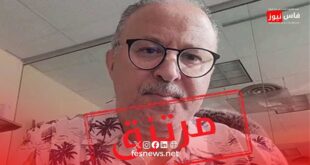
In a frank and concerning diagnosis of the public health situation in Morocco, physician and researcher in health policies and systems Dr. Tayeb Hamdi confirms that “the reality on the ground completely contradicts official rhetoric,” warning that current protests around the health sector may extend to other public services if the root causes are not addressed.
In an exclusive statement to “H24Info,” Dr. Hamdi revealed damning figures:
- Approximately 60% of health expenditures are borne directly by households (45% out-of-pocket and 15% through insurance), meaning three-quarters of costs fall on citizens.
- Even those enrolled in compulsory health insurance (AMO) pay more than 50% of their treatment costs out-of-pocket beyond their contributions.
- The middle class has abandoned public hospitals just as it previously abandoned public schools, but rising prices have made the private sector also unavailable, forcing citizens back to demanding dignified and free or nearly free public service from the state.
“The Problem Has Been Accumulating for More Than 50 Years”
The speaker confirmed that the crisis is not new, but structural and cumulative over decades, and that His Majesty King Mohammed VI had called since 2018 – before the COVID-19 pandemic – for radical reform of the health system. Nevertheless, major deficiencies remain:
- Public hospitals receive only 10% of compulsory insurance reimbursements despite bearing the largest burden.
- 30% of “RAMED” system expenditures (now AMO-Tadamon) go to the private sector, while beneficiaries are exempt from tickets in public facilities, costing them an additional 10 to 20% in private clinics.
- Severe shortage of human resources: fewer than 30,000 doctors in Morocco, 14,000 of whom work abroad, and we need at least 34,000 additional doctors to reach the minimum threshold set by the World Health Organization.
Proposed Solutions: Structural Reform, Not Just Financial Injections
Dr. Hamdi believes that increasing the budget or number of doctors alone will not suffice; rather, comprehensive reform is required based on three main pillars:
- Human Resources: Motivating salaries, intensive training, dignified working conditions to stop emigration and mass resignation.
- Governance: Effective management of existing resources. “How is it reasonable for a patient to wait a full year to see a doctor while doctors are available? Good governance alone can improve the situation immediately.”
- Accountability and Rotation: Appointing new officials with a logic of selecting competence and accountability, not continuing the same faces for 50 years, because their continuation kills hope for any real reform.
Message to Decision-Makers
“Current protests are a clear message from society: reality does not match rhetoric. Moroccans have become aware that public service is a constitutional right that must be defended,” Dr. Hamdi concludes, calling for radical and courageous reform that restores trust and preserves citizen dignity before it is too late.