فاس نيوز ميديا جريدة الكترونية جهوية تعنى بشؤون و أخبار جهة فاس مكناس – متجددة على مدار الساعة

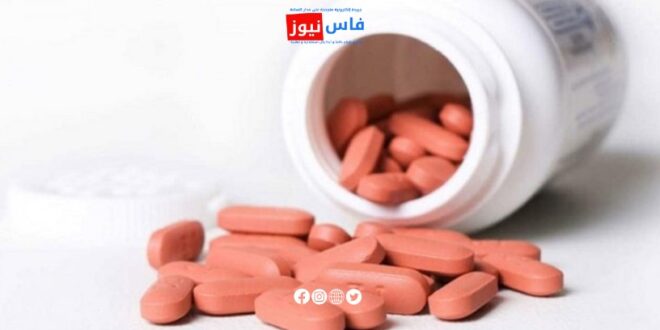
Rabat – November 2, 2025 – In the context of a parliamentary session on the 2026 Finance Bill, Abdellah Bouanou, a prominent member of the Justice and Development Party (PJD) and head of its parliamentary group, sparked widespread controversy with his sharp statements regarding Article 4 related to customs and financial amendments. Bouanou accused the system of favoring pharmaceutical lobbies at the expense of citizens, noting that real profits in the sector come primarily from imports rather than local manufacturing. He added that some drugs imported from India at a cost not exceeding 2.5 dirhams per unit are sold in Moroccan pharmacies for more than 50 dirhams, reflecting “exorbitant” profit margins that burden citizens. He also claimed that the direct interests of some government officials in the sector contribute to hesitation in the face of genuine repricing efforts, without referring to a specific medication.
This statement comes at a time when the issue of drug pricing in Morocco is witnessing increasing public debate, driven by rising costs that affect accessibility, especially for essential treatments such as cancer drugs. The roots of this problem go back to regulations established in 1969, which distinguish between local and imported products, often leading to inflated costs. According to recent studies, prices of original drugs in Morocco can exceed their levels in European countries by up to 30% or more, supported by a 7% VAT and unbalanced international reference pricing policies. Reports have also indicated inefficiency in public procurement processes, where drugs are theoretically free in the public sector, but lack of availability pushes patients toward the private market, exacerbating economic and social challenges.
Broader Issues in Moroccan Drug Pricing
High drug prices are a recurring concern, with studies showing that profit margins in the private sector reach 57% in some cases, driven by the distribution chain and related lobbies. This has led to documented cases of patients resorting to selling their possessions to cover costs, especially for cancer treatments and chronic diseases. On the other hand, the government launched reforms since 2014, including the review of more than 1,700 drugs, resulting in price reductions for 54% of original medications. In 2025, the Ministry of Health and Social Protection announced a comprehensive reform aimed at curbing excess, with fixed compensation for pharmacists reaching 400 dirhams per box. Health Minister Amine Tahraoui described these measures as a “sovereign and responsible choice,” but they face resistance from the industry, which warns of threats to supply chains.
Broader challenges include corruption in healthcare, with Transparency International highlighting a bribery rate of 32% in medical services, the highest in the region. A 2024 study also revealed gaps in cancer treatment availability, with stark increases compared to neighboring countries such as Tunisia or even some European countries, according to OECD analyses.
Examples of Price Disparities
Discussions on social media platforms, such as X (formerly Twitter), have highlighted concrete comparisons focusing on cancer drugs, where increases are most evident. Here is a table summarizing examples from public discussions, drawn from reports and posts, showing disparities with prices in France and Belgium (with approximate conversion based on an exchange rate of 1 euro ≈ 10.8 dirhams):
| Drug | Use | Price in Morocco (dirhams) | Price in France (euro/equivalent dirhams) | Price in Belgium (euro/equivalent dirhams) | Increase vs France (%) |
|---|---|---|---|---|---|
| Temodal 5 mg | Anti-cancer | 219 | 1.20 / ~12.90 | 9.00 / ~96.70 | ~1598% |
| Eloxatine 5 mg/ml (10 ml vial) | Anti-cancer | 1203 | 10.93 / ~117.40 | 37.00 / ~397.50 | ~925% |
| Eloxatine 5 mg/ml (20 ml vial) | Anti-cancer | 2206 | 21.87 / ~234.90 | 74.00 / ~794.90 | ~839% |
| Carboplatine Cooper 450 mg | Anti-cancer (ovarian/lung) | 1553 | 19.40 / ~208.40 | 119.00 / ~1278.30 | ~645% |
These examples point to imports from low-cost sources such as India, consistent with Bouanou’s claims about exploitation, although the figures do not precisely match his specific ratio. The main reason is attributed to distribution chains, pharmacy margins, and regulatory gaps.
Implications and Calls for Reform
Bouanou’s statement, who has previously criticized other ministerial decisions, reflects broader concerns about corruption in healthcare, including overcharging in hospitals and digitization deals. He called for balanced intervention, as Budget Chairman Fouzi Lekjaa confirmed, combining industry sustainability with citizen protection. As ongoing reforms progress, monitoring their impact on imports from cost-effective countries remains essential to verify or refute these claims.
Follow us for additional analysis on parliamentary sessions and health reform developments.