Fes News Media Morocco & Fez-Meknes Independent English News Portal — 24/7 Coverage


- In light of recent developments in European visa policies, the five-year multiple-entry Schengen visa has become an available option for nationals of certain co...
- This visa aims to facilitate frequent travel to the Schengen area, which includes 29 European countries, with a maximum stay of 90 days within any 180-day perio...
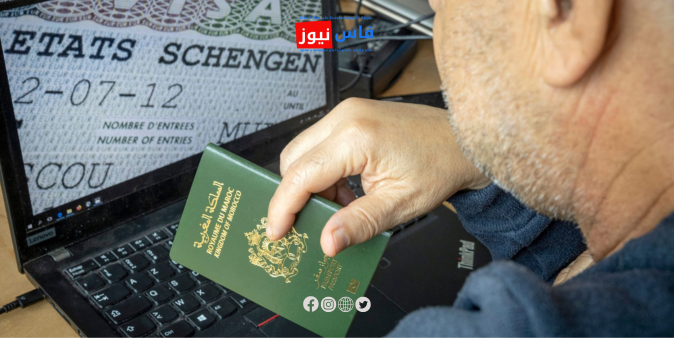
In light of recent developments in European visa policies, the five-year multiple-entry Schengen visa has become an available option for nationals of certain countries, including Saudi Arabia, Bahrain, and Oman, even for first-time applicants. This visa aims to facilitate frequent travel to the Schengen area, which includes 29 European countries, with a maximum stay of 90 days within any 180-day period. Below is a detailed overview of eligibility criteria, requirements, procedures, and benefits, focusing on citizens of the mentioned countries based on updates through 2025.
Eligibility Criteria for the Multiple-Entry Visa
The multiple-entry Schengen visa is generally granted to travelers who demonstrate a continuous need to travel, such as for tourism, business, or visiting relatives. According to general rules, issuance depends on an individual assessment by the consulate, considering the applicant’s previous travel history. However, in April 2024, the European Union introduced a significant exemption allowing nationals of Saudi Arabia, Bahrain, and Oman to obtain this visa for five years even on a first application, without requiring a gradual track record (cascade system) as required for other nationalities. The applicant must reside in their home country and apply from there, adhering to the declared purpose of travel (tourism, business, or short-term study). The total stay must not exceed 90 days in any 180-day period, and the visa sticker is marked with “MULT.”
Requirements and Necessary Documents
Basic requirements for the multiple-entry Schengen visa include standard documents for any short-term (Type C) visa, with particular emphasis on proving the ability for repeated travel. For Saudi, Bahraini, and Omani citizens, a passport valid for at least five years at the time of application is emphasized to cover the full validity of the visa. Key documents include:
- Application form: Completed official Schengen visa application form specifying the purpose of travel (e.g., tourism or business) and multiple-entry request if applicable.
- Passport: Valid for at least three months beyond the planned departure date of the last visit, containing at least two blank pages.
- Photographs: Recent biometric photos meeting ICAO standards.
- Travel insurance: Coverage for emergency medical care, hospitalization, and repatriation, worth at least 30,000 euros, valid throughout the Schengen zone.
- Additional proofs: Accommodation bookings, travel tickets, proof of financial means (bank statements or salary slips), and evidence of intent to return (employment or study contracts). For business purposes, an invitation from a European company may be required.
- Fingerprints: Collected during application, with exceptions for specific categories.
Previous travel record is not required for first-time applicants from the specified countries due to the new exemption, unlike other nationalities that might need a positive travel history. Fees are 90 euros for adults, 45 euros for children aged 6 to 12, with possible additional service charges by visa centers such as VFS Global.
Step-by-Step Procedure
Applications are submitted through the consulate or authorized visa centers of the main Schengen country (e.g., Germany or France if they are the main destination). Main steps include:
- Determining the main country: If visiting multiple countries, apply at the consulate of the country where you will stay the longest, or the first country if stays are equal.
- Booking an appointment: Through VFS Global or the consulate’s website, applying at least 15 days before traveling, but not earlier than six months.
- Submitting documents: At the appointment with fee payment.
- Processing: Usually takes 15 days, extendable to 45 days if additional checks are required.
- Visa delivery: If approved, the visa sticker is affixed to the passport.
In case of refusal, reasons are provided and appeal options exist.
Main Benefits
The five-year multiple-entry Schengen visa offers great flexibility by permitting unlimited entries to all Schengen countries without repeated applications, reducing administrative and financial burdens. It facilitates frequent travel for business or tourism and supports economic ties between Gulf countries and Europe. Additionally, it minimizes bureaucratic procedures, especially thanks to the new exemption that makes this visa accessible to first-time applicants from Saudi Arabia, Bahrain, and Oman.
Applicants are always advised to check the latest information on official EU or consulate websites, as policies may change.