فاس نيوز ميديا جريدة الكترونية جهوية تعنى بشؤون و أخبار جهة فاس مكناس – متجددة على مدار الساعة


The residents of Manzel, Amtarnagha, Oulad Amkoudou, and Ain Tamknay are living through a critical phase marked by great hopes and challenges, amid a lack of decisive solutions affecting both youth and families.
The core demands focus on creating real job opportunities for highly educated young men and women as well as for skilled laborers suffering from chronic unemployment due to the absence of productive industries capable of absorbing them. Public administrations remain slow to hire despite vacancies caused by retirements. The agricultural sector offers limited seasonal work, mostly for women under harsh conditions, pushing many toward migration or informal jobs like street vending and precarious work, making unemployment a ticking social bomb threatening the community.
In healthcare, residents suffer from severe shortages of staff and medical equipment in health centers—especially the Manzel health center, which serves four local councils but lacks adequate resources. Some rural centers are either closed or lack the most basic supplies, increasing the burden on the regional hospital, particularly for patients and pregnant women facing poor ambulance services and no free transportation.
The community also calls for the development of youth and recreational facilities, which are almost nonexistent. The area only has two small local stadiums and youth centers that do not meet the needs of the young population eager to develop their diverse talents.
Education suffers from a clear shortage of secondary schools in some parts, forcing students to travel to Manzel for their studies. There is an urgent need to establish boarding schools, improve student transportation, and build new middle and high schools.
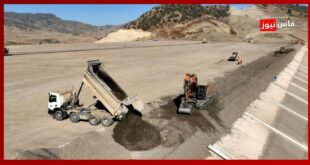
Safe drinking water and electricity are critical concerns, threatened by the ongoing depletion of local water tables and ineffective monitoring, requiring urgent intervention through dam and irrigation canal projects.
Road infrastructure is in poor condition, especially the roads connecting Sefrou, Manzel, Ain Sebou, and Rabat El Khair via Bouderhem, affecting transportation flow. Despite paved main streets in Manzel, traffic regulation through signage is lacking.
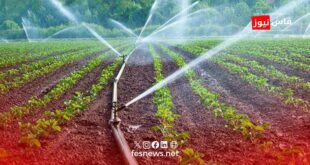
The agricultural sector demands more support for small and medium farmers through training and assistance to adapt to climate changes, rather than focusing solely on large landowners who exploit water resources.
Green spaces such as public parks and street trees are almost nonexistent or in poor condition, while villages and hamlets suffer from a lack of sewage infrastructure, delaying their development.
Women play an important economic and social role but require real support to enhance their skills and develop income-generating projects that improve local living standards.
The community holds high hopes that authorities will address these demands comprehensively and impartially, placing residents’ interests above all to ensure real opportunities for freedom, dignity, and social justice.