Fes News Media Morocco & Fez-Meknes Independent English News Portal — 24/7 Coverage

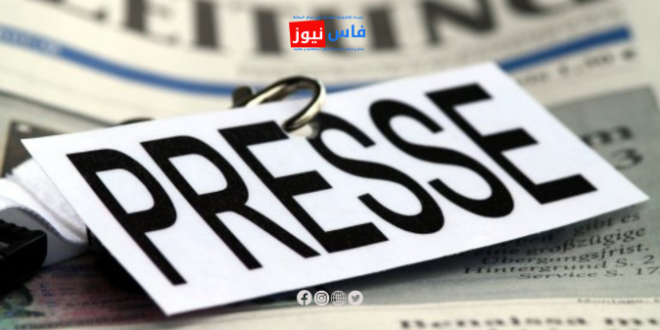
- The Moroccan Workers’ Union (UMT) parliamentary group in the House of Councillors expressed its rejection of granting full independence to the National Press Co...
- ” They emphasized that “the current problem is that this institution can dismiss union members, yet when we refer to any authority, they respond by claiming sel...
The Moroccan Workers’ Union (UMT) parliamentary group in the House of Councillors expressed its rejection of granting full independence to the National Press Council, arguing that “if this institution were to enjoy strong immunity, there would be no need for legislation from the government or parliament, as it would be above the law.” They emphasized that “the current problem is that this institution can dismiss union members, yet when we refer to any authority, they respond by claiming self-governance.”
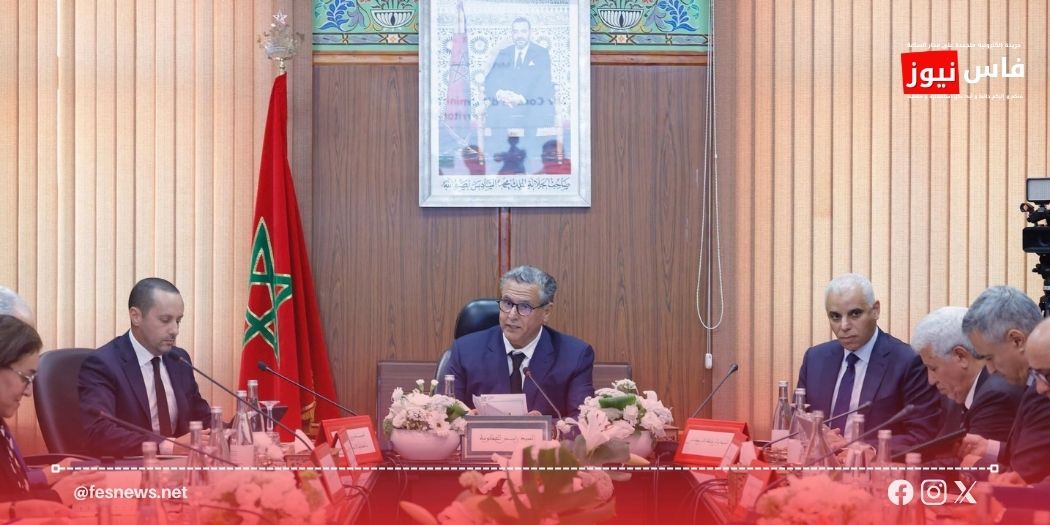
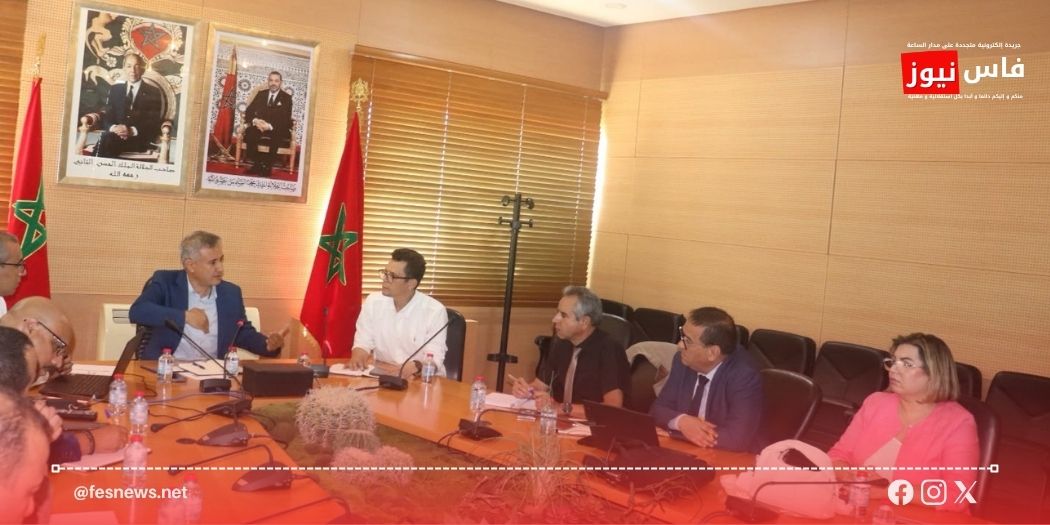
On Monday morning, while presenting Bill No. 26.25 on the reorganization of the National Press Council before the Education, Cultural and Social Affairs Committee of the second parliamentary chamber, Nour Eddine Slik, head of the UMT group in the House of Councillors, stated that “we should not have an institution of this type in Morocco—that is, one outside the logic of accountability and oversight.” He added, “We support the bill; however, not to create an institutional body that stands above everyone else.”
Slik further stressed that when speaking about a national council, it must be inclusive of all who bear the national identity. “Without this sense, there can be no true organization,” he said.
Addressing Minister of Culture, Youth and Communication Mohamed Mehdi Bensaid, the union leader insisted that “the council should be a space welcoming to all, where everyone feels represented both in presence and thought. If we truly want to serve rights and freedoms, we must correct this course.”
Slik pointed out that “the democratic choice enshrined in the 2011 constitution is reflected in all institutions, except this council.” He added, “If I disagree with you, I’m deprived of membership, and if I fight within the framework of union freedom, I get expelled. The problem is inevitably linked to individuals who overstepped once they sensed immunity.”
He concluded by expressing the expectation for “a council that embraces all components and media trends,” questioning, “Can’t we open the door to prominent national figures for membership—not just professionals? I mean those known for their patriotism and sincere choices across various fields.”
On his part, Mohamed Mehdi Bensaid affirmed that “the legislative phase this bill is undergoing is not final,” considering that the new working model proposed by the government “could yield both positives and negatives in practice.” He noted that subsequent executive or legislative authorities would continue the “process of refinement.”
During his presentation before the Education, Cultural and Social Affairs Committee on Monday morning, the minister said that the previous framework within the Press and Publishing Code was “appealing,” but “the implementation of self-regulation provisions revealed many criticisms.” Thus, he described the current path the Press Council is taking as “a normal process for all institutions.”
Regarding updates in the bill, the official responsible for the communication sector pointed out changes in procedures for deciding dismissals, stating that this authority now belongs to the “general assembly” instead of the council. He also explained that reporting means have been expanded to include any legally recognized method instead of being limited to registered mail with acknowledgment of receipt or judicial bailiff notifications.