فاس نيوز ميديا جريدة الكترونية جهوية تعنى بشؤون و أخبار جهة فاس مكناس – متجددة على مدار الساعة

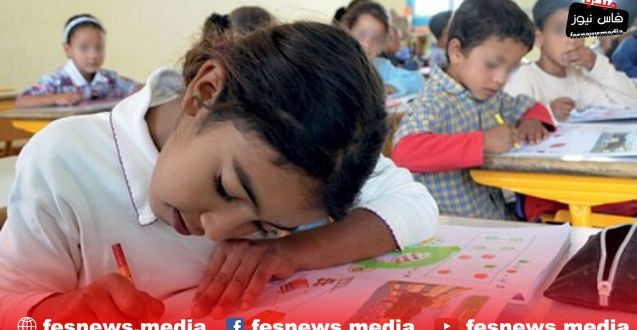
The new school year is just a few days away, and parents and guardians are undoubtedly paying close attention to all the preparations needed for their children’s return to the classroom. This includes school supplies, books, and uniforms. However, we should not overlook another type of preparation that is crucial for a successful and smooth school year: a child’s psychological and physical well-being. This embodies the saying, “A healthy mind in a healthy body.”
To achieve this, parents should help their children avoid bad habits acquired during the summer vacation. This includes limiting screen time as much as possible, overcoming laziness and lethargy by waking up early, and engaging in physical activities suitable for their age, body type, and environment. A consistent morning routine can help them focus and reduce anxiety.
Following a healthy lifestyle is also key. A balanced diet rich in fruits, vegetables, and lean meats, while avoiding sugars, is essential. Parents should prepare a healthy lunch bag and make sure it contains all the necessary nutrients.
It is worth noting that at this stage, a child needs a family environment that embraces healthy habits so they can easily adopt them. These habits include washing hands with soap and water, avoiding touching eyes with dirty hands, using a clean tissue when sneezing or coughing, and having a regular sleep schedule. Limiting the use of phones and electronic screens at least half an hour before bedtime is also crucial. Parents should also set a specific time limit for screen use to ensure it benefits the student.
The beginning of the school year often coincides with hot weather. Therefore, children should avoid direct sun exposure and drink sufficient water to prevent dehydration, heat exhaustion, and muscle cramps. Parents should also be aware of serious symptoms such as:
- Extreme fatigue and thirst.
- Fever and headaches.
- Not urinating for several hours.
- Rapid breathing and fainting.
To prevent these dangerous complications, parents should encourage their child to drink enough water regularly and wear comfortable, appropriate clothing. If signs of heat exhaustion or fainting are observed, the child should be moved to a cool place and taken to the nearest health center for a medical consultation and necessary first aid.
Furthermore, parents and guardians should inform the school about any medical conditions the child may have, such as diabetes, asthma, or epilepsy, so they can be handled appropriately.
In conclusion, a child’s psychological health is just as important as their physical health. This can be achieved by fostering good communication, building their self-confidence by addressing their fears, showing readiness to help and support them, and encouraging positive interactions with their peers to avoid violence and bullying. This psychological aspect largely depends on effective communication between parents, the educational staff, and other parents, without neglecting to talk to the child about their school experiences and ensuring they are not being bullied or facing any other cause for concern.
Dr. Chafika Ghazoui
Child Health Officer
Head of Communication and Media Unit
Regional Directorate of Health and Social Protection
Fes-Meknes Region