فاس نيوز ميديا جريدة الكترونية جهوية تعنى بشؤون و أخبار جهة فاس مكناس – متجددة على مدار الساعة

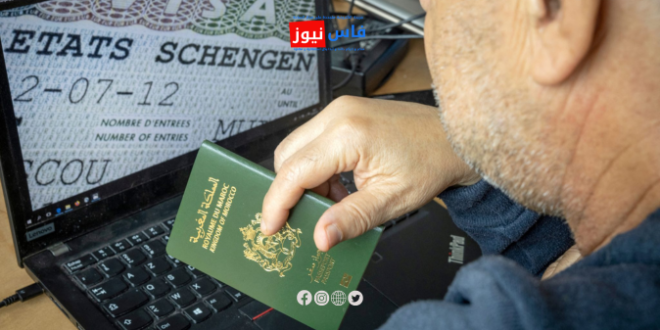
Rabat, Morocco – The dream of Moroccans traveling to Europe has turned into a real nightmare, due to the near-total scarcity of available appointments for Schengen visa applications. While Moroccan authorities have announced their success in combating broker gangs and “bot” programs that exploited appointment slots, the reality on the ground shows that the problem has worsened, striking at the very core of the “human right to free movement,” amid growing suspicions of an undisclosed “deliberate obstruction.”
Crisis Worsens Despite Crackdown on Brokers
After intensive efforts to fight the digital mafia that monopolized Schengen visa appointments and the implementation of smart booking systems, it was expected that the situation would return to normal. However, the surprise was shocking: appointments have become “completely unavailable” at consulates and application centers (VFS Global, TLScontact, BLS International). Citizens describe the booking system as a “ghost,” where appointments appear for a few minutes only to vanish, or do not appear at all for consecutive days and weeks. Ahmed, 32, who is trying to visit his family in France, says: “I watch the website all day as if chasing a mirage. This is no longer a problem of brokers, but appointments being deliberately hidden or quotas set so low they cover less than 1% of the increasing demand.”
Burning Questions About “Deliberate Obstruction”
If brokers and bots have been neutralized, what is the real explanation behind this unprecedented “drought” of available appointments? These burning questions are raised by the Moroccan public opinion, going beyond bureaucracy and clashing with fundamental human rights:
- Are there undisclosed instructions from some Schengen countries to reduce the number of visas granted to Moroccans? This assumption gains strength amid growing European concerns over irregular migration, despite the fact that tourist visas have no connection to illegal immigration, directly affecting innocent citizens’ freedom of movement.
- Are foreign consulates in Morocco suffering from severe staff shortages limiting their capacity to process applications? If so, does the failure to provide adequate resources not constitute a form of obstruction to free movement?
- Are new “onerous policies” being implemented to restrict the flow of Moroccans to Europe, even at the expense of legitimate travelers such as tourists, businessmen, and students? If such policies exist, they strike at the heart of the “freedom of movement” principle, a cornerstone of fundamental human rights.
Violation of Fundamental Rights and Impact on Bilateral Relations
This catastrophic situation harms not only Moroccan citizens deprived of their right to travel and subjected to financial and moral losses, but also raises serious questions about the nature of bilateral relations between Morocco and Schengen countries. How can this unjustified tightening against law-abiding citizens traveling for legitimate purposes be explained, when freedom of movement is a fundamental right guaranteed by international and humanitarian law?
Moroccans are demanding “full transparency” and a “serious investigation” into the causes of this crisis, which has become like an “invisible dam” blocking their legitimate travel aspirations and degrading their dignity in the exhausting search for an appointment that may never come, in blatant violation of the principle of the human right to free movement that must be guaranteed to all.
Source: Fez News