Fes News Media Morocco & Fez-Meknes Independent English News Portal — 24/7 Coverage

- In recent years, Morocco has witnessed a growing influx of migrants and refugees, making their integration into the labor market one of the country’s key nation...
- Beyond the humanitarian and political dimensions of migration, the economic aspect plays a critical role in ensuring the stability and effective inclusion of th...
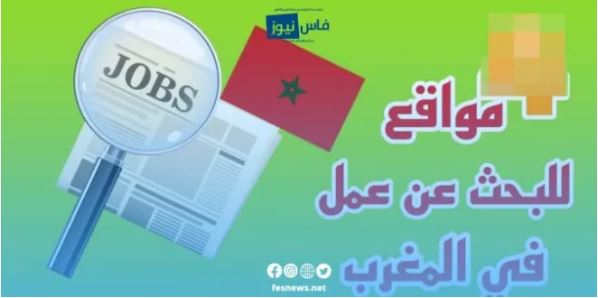
In recent years, Morocco has witnessed a growing influx of migrants and refugees, making their integration into the labor market one of the country’s key national challenges. Beyond the humanitarian and political dimensions of migration, the economic aspect plays a critical role in ensuring the stability and effective inclusion of these populations within Moroccan society.
Migrants and refugees in Morocco face numerous obstacles when trying to access the job market. Chief among these are the lack of legal work documentation, limited vocational qualifications, and difficulties in having their academic credentials recognized. Additionally, the absence of strong social and professional support networks further complicates their quest for stable and suitable employment.
Despite these challenges, recent years have seen the emergence of several strategies and initiatives, both self-driven by migrants and refugees and supported by civil society organizations and official institutions, aimed at facilitating their access to employment.
One of the most prominent strategies is vocational training, which serves as a key entry point to integration. Many migrants and refugees enroll in training centers to acquire skills that meet the needs of the local job market, particularly in sectors such as hospitality, cooking, hairdressing, construction, and traditional crafts. Programs like the “National Training for Integration Program” have played a vital role in offering real employment opportunities to these groups.
Others turn to self-employment or informal sector activities, especially in trade and services. While this may provide a temporary income, such jobs often lack legal and social protection. In response, some NGOs, in partnership with international organizations, are working to support migrant entrepreneurship by mentoring project leaders and facilitating access to micro-financing.
On its part, the Moroccan government launched a National Strategy for Immigration and Asylum in 2013, aimed at promoting the sustainable integration of migrants by regularizing their legal status and improving access to education, healthcare, and vocational training—key steps for economic and social empowerment.
Experts believe that truly integrating migrants and refugees into the Moroccan job market requires stronger coordination between various stakeholders: government, local authorities, the private sector, and civil society. There is also a pressing need for comprehensive policies that recognize existing skills, ensure equal opportunities, and combat discrimination.
Until such integration is fully achieved, thousands of migrants and refugees in Morocco continue to rely on personal initiatives and diverse strategies in search of dignified employment opportunities and a new beginning in a host country.
Source: Fes News Media