Fes News Media Morocco & Fez-Meknes Independent English News Portal — 24/7 Coverage

- The phenomenon of document forgery in Morocco has become a growing concern, with consequences that go far beyond legal implications—often resulting in real soci...
- Every year, authorities uncover specialized forgery networks, and dozens of related cases are brought before the courts
The phenomenon of document forgery in Morocco has become a growing concern, with consequences that go far beyond legal implications—often resulting in real social and human tragedies. Every year, authorities uncover specialized forgery networks, and dozens of related cases are brought before the courts. Sometimes, the victims are ordinary citizens who fall prey to false promises or are driven by desperation and urgent need.
One of the most publicized cases involved the forgery of school certificates and university diplomas to secure employment in public or private institutions. Numerous individuals were found to be holding high-ranking positions without having any real qualifications, raising serious questions about the effectiveness of oversight and internal investigation systems.
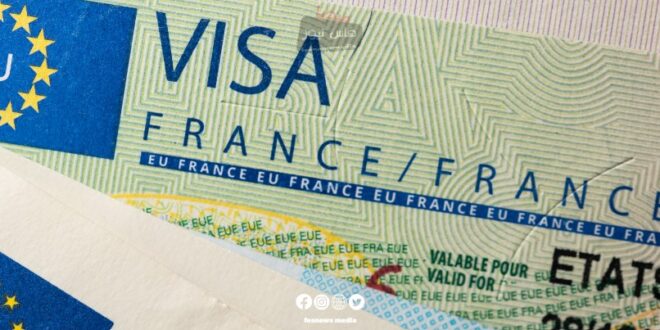
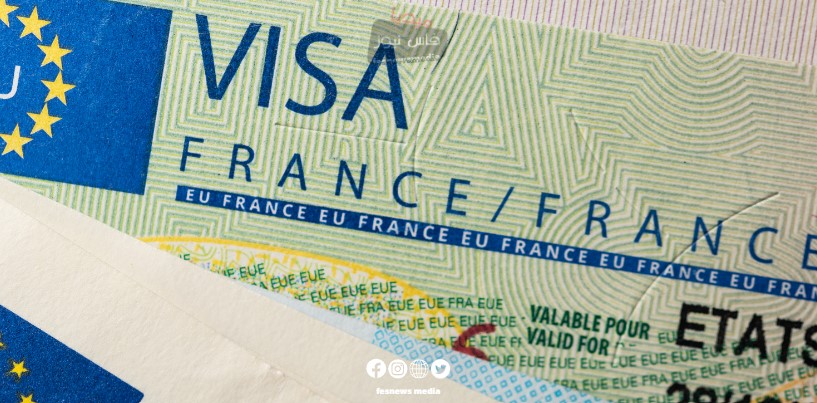
Even more tragic are the stories of Moroccans who fall victim to gangs forging travel visas. Many pay large sums of money for counterfeit documents intended for travel to Europe or the United States, only to face legal trouble or be detained at foreign airports. In the end, they are deported and charged with attempting to enter foreign countries illegally.
Forgery cases also extend to marriage contracts, residency certificates, and property agency documents. These forgeries often lead to the loss of legal rights and, at times, to family breakdowns. Many individuals are manipulated due to a lack of legal awareness or a desire to expedite bureaucratic processes—without realizing that the legal consequences may include imprisonment and hefty fines.
Criminal law experts stress that document forgery is a serious crime under Moroccan law, particularly when it involves official documents issued by government entities. In such cases, it is considered “forgery of an official document,” which can result in several years of imprisonment, depending on the severity of the offense and the affected parties.
In response, authorities emphasize the importance of verifying document sources and caution against trusting intermediaries or brokers who claim to facilitate administrative services in exchange for money. Public awareness campaigns are ongoing, both through media and educational institutions, aiming to tackle the root causes of the issue.
The stories of Moroccans involved in forged documents—whether as victims or offenders—highlight the grave risks associated with this phenomenon. They sound the alarm on the urgent need for greater societal awareness and stronger institutional rigor to protect the integrity of official documents and safeguard the interests of individuals and institutions alike.
Source: Fes News Media