Fes News Media Morocco & Fez-Meknes Independent English News Portal — 24/7 Coverage


- The work environment in Morocco is undergoing rapid transformations driven by technological advancements, economic shifts, and social changes
- These factors make adaptability one of the essential skills required in the job market, as confirmed by both local and international reports
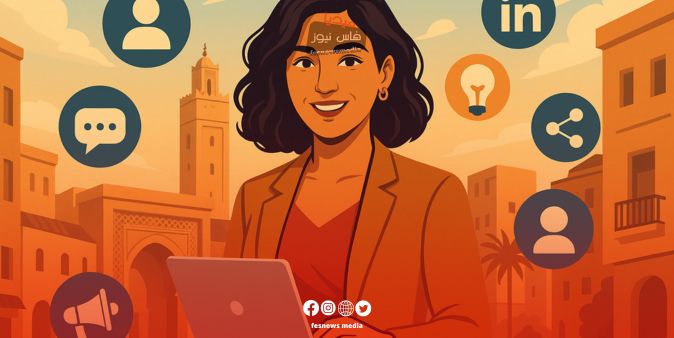
The work environment in Morocco is undergoing rapid transformations driven by technological advancements, economic shifts, and social changes. These factors make adaptability one of the essential skills required in the job market, as confirmed by both local and international reports.
According to a recent report by the International Labour Organization (ILO), Morocco—like many countries in the region—is witnessing a restructuring of its labor market due to digitalization and increased reliance on artificial intelligence. This compels individuals and organizations to develop new models of management and operation.
In this context, the High Commission for Planning reported that more than 65% of Moroccan companies were forced to implement organizational or technological changes over the past three years in response to global economic pressures and shifts in local consumer behavior.
Human resources management expert Hicham Bentaleb told L’Économiste newspaper that “adaptability has become a key criterion in evaluating professional competencies, especially in rapidly evolving sectors such as technology, financial services, and creative industries.”
Bentaleb pointed out that the COVID-19 pandemic marked a major turning point in organizations’ awareness of the importance of flexibility and innovation, adding that “those who failed to adapt to remote work or digital tools found themselves outside the new dynamic.”
For its part, the Ministry of Economic Inclusion and Small Enterprises emphasized the importance of investing in continuous training for human resources. It stated that new government programs like “Forsa” and “Awrach” also aim to support employability and strengthen adaptive skills.
A 2024 report by the World Bank Group highlighted that Morocco must accelerate the development of its workforce’s competencies—especially in digital skills and adaptability—to ensure the success of its transition toward a more productive and sustainable economy.
Analysts argue that change in Morocco’s work environment is no longer an option but an ongoing reality. This demands that organizations adopt a flexible organizational culture and encourage initiative within teams, while individuals are expected to develop their personal skills and embrace new ways of working.
Flexible work arrangements and diversified employment patterns—including freelancing and remote work—are among the most prominent indicators of the evolving professional landscape in Morocco, particularly in major cities and emerging investment hubs.
Amid this dynamic, adaptability remains a vital tool for navigating change, achieving professional success, and ensuring the competitiveness of Moroccan enterprises in a rapidly developing regional and global environment.
Source: Fes News Media