Fes News Media Morocco & Fez-Meknes Independent English News Portal — 24/7 Coverage


- As Morocco prepares to co-host the 2030 FIFA World Cup alongside Spain and Portugal, efforts are intensifying to strengthen transport infrastructure to accommod...
- According to economic estimates, Morocco is projected to receive around 21

As Morocco prepares to co-host the 2030 FIFA World Cup alongside Spain and Portugal, efforts are intensifying to strengthen transport infrastructure to accommodate the millions of expected visitors for this global event. According to economic estimates, Morocco is projected to receive around 21.6 million tourists during the World Cup period, necessitating substantial investments and meticulous planning to ensure a smooth experience for fans.
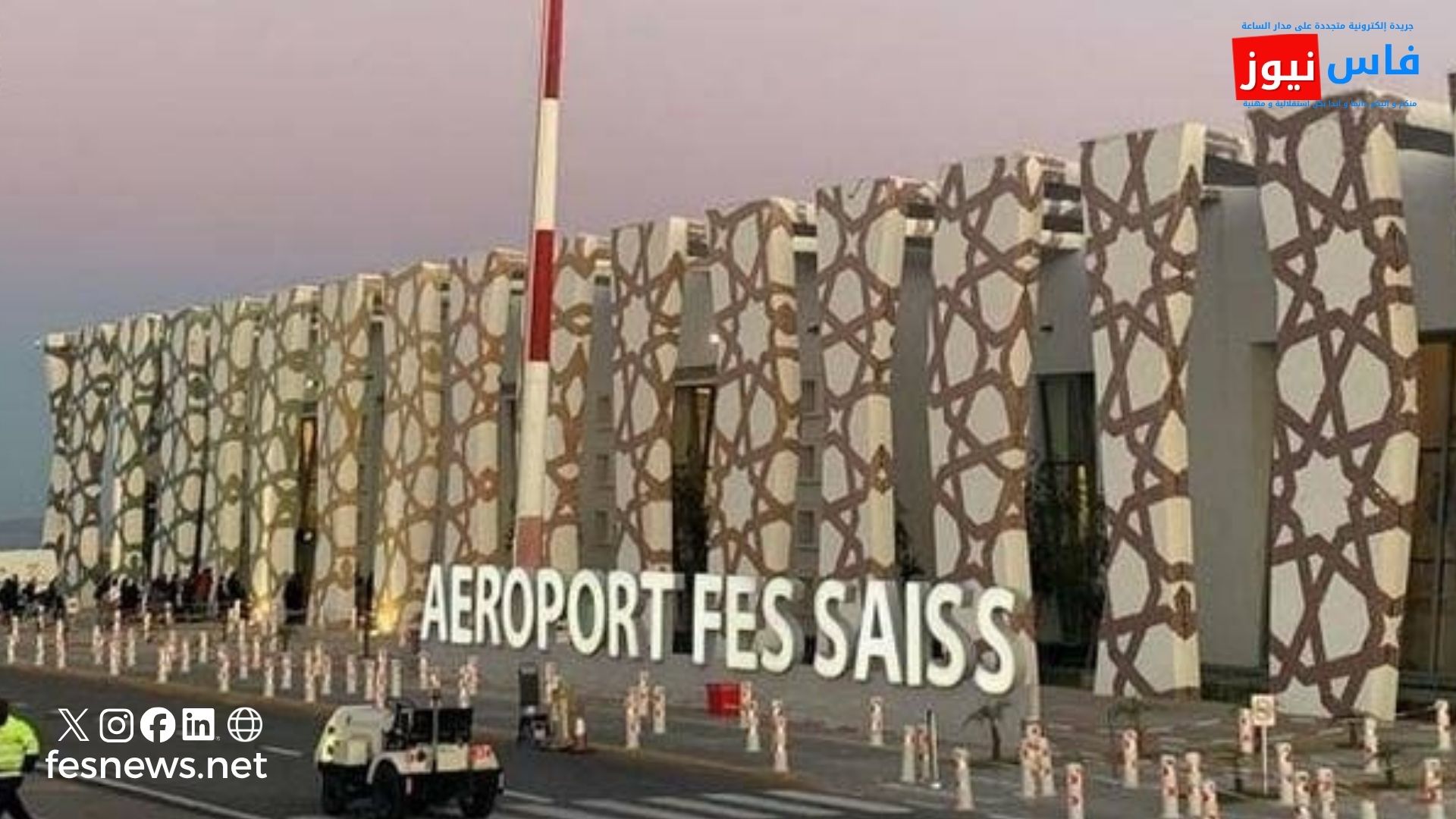
Despite progress in infrastructure development, Morocco faces challenges related to urban mobility and airport capacity, which currently handles 38 million passengers annually. International reports, such as the 2026 World Cup bid evaluation, highlighted shortcomings in “connectivity,” with Morocco receiving a low score of 2.1 out of 5. In response, the country has allocated significant budgets—up to 123 billion dirhams (approximately $12.3 billion)—for airport development. This includes upgrades to airports in Casablanca, Marrakesh, Rabat, Agadir, Tangier, and Fez, along with plans for a new airport to ease pressure on Mohammed V Airport. The goal is to increase total passenger capacity to 80 million by 2030, according to Transport Minister Abdelssamad Kayouh in a parliamentary session.
In the railway sector, Morocco is investing 87 billion dirhams to expand the network, including extending the high-speed line from Kenitra to Marrakesh and purchasing 40 new trains funded by Spain at a cost of $1.1 billion. New train stations are also being developed in cities such as Fez and Casablanca to improve the passenger experience. In terms of road infrastructure, the national motorway company has allocated 28 billion dirhams to add 1,000 kilometers to the network, reaching 3,000 kilometers by 2030. A key project includes the Marrakesh–Fez highway via Beni Mellal. Additionally, Morocco is modernizing urban roads in 30 cities and developing public transport systems like trams and buses in Rabat and Casablanca, as announced by Minister of Equipment and Water, Nizar Baraka.
To facilitate the flow of visitors and goods, a major logistics hub is being developed in Nouaceur (Casablanca-Settat region), along with industrial clusters in Zenata, Laghdira, and Had Soualem. These projects, reported by Hespress, aim to support economic activity linked to the World Cup. To finance these plans, Morocco relies on international loans, including €650 million from the African Development Bank and $1.1 billion from Spain, while also attracting global companies from France, the UK, and China, according to Sky News Arabia. Economist Ali El Ghanbouri, in a statement to Al Jazeera Net, also encouraged strengthening public-private partnerships to ease the financial burden.
These investments are expected to create between 50,000 and 80,000 direct and indirect jobs and boost economic growth by 1-3%, according to analyst Youssef Saoud. Moreover, they are projected to enhance Morocco’s status as a global tourist destination, with anticipated tourism revenues reaching 120 billion dirhams by 2030. However, the overall cost—potentially exceeding $10 billion—raises concerns about increasing external debt, which reached $69.2 billion in 2023. To address this challenge, experts recommend ensuring transparency in contracts, developing digital infrastructure for project management, and organizing parallel economic events to increase returns.
Through these efforts, Morocco aims to transform the 2030 World Cup into an opportunity to advance transport infrastructure and elevate its global standing. Success in this endeavor will require effective resource management and adherence to international standards to guarantee an exceptional experience for visitors and a lasting legacy for the country.
Source: Fes News Media