فاس نيوز ميديا جريدة الكترونية جهوية تعنى بشؤون و أخبار جهة فاس مكناس – متجددة على مدار الساعة


Rabat – The French media and political scene is witnessing escalating controversy surrounding the figure of Chems-Eddine Hafiz, the head of the Grand Mosque of Paris. French media outlets accuse him of overstepping his religious role to become a political instrument serving the agendas of the Algerian regime, at a time when relations between Paris and Algiers are at their worst.
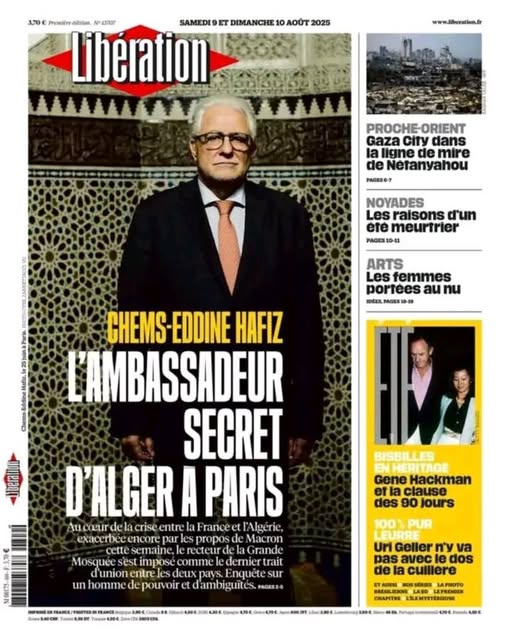
“Libération” Reveals: A “Secret Ambassador” in the Heart of the Capital
The French newspaper Libération was one of the most prominent publications to open the file on Hafiz, in a shocking report describing him as Algeria’s “secret ambassador” in Paris. Reports indicate that he acts as an unofficial intermediary between the presidential palaces in Algiers and Paris, especially on highly sensitive security issues, most notably the case of Algerian writer Boualem Sansal, which triggered a major diplomatic crisis between the two countries.
Media investigations reveal that Hafiz, who holds both French and Algerian nationalities, was not far from the radar of French security agencies. He was reportedly on the “Fiche S” list for security surveillance until 2022 due to his controversial ties to the Algerian intelligence service (formerly known as the DRS), which is notorious for its history of political repression.
Funding in Millions and a Controversial “Halal” Certification
The accusations do not stop at the political and security levels; they extend to Hafiz’s management of the Grand Mosque, which receives massive funding from the Algerian state, estimated at millions of euros annually. This funding raises serious concerns about financial dependency and the independence of decision-making within France’s most prominent religious institution.
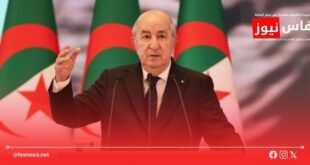
On the economic front, questions have been raised about what reports describe as “opaque methods” in managing the halal certification. The mosque allegedly granted a lucrative monopoly for the export of halal products to Algeria, which is seen as a quid pro quo for the political support Hafiz provides to Algerian President Abdelmadjid Tebboune.
A Complex Network of Religion, Politics, and Economics
These threads intertwine to form a complex network linking religion, politics, and economics. This is clearly evident in Hafiz’s pro-Algerian stance on the Western Sahara issue, a position that explicitly conflicts with France’s strategic interests, placing him in the crosshairs of official and political circles in Paris.
Controversy Amidst Escalating Diplomatic Crisis
This focus on Hafiz’s persona comes against a backdrop of extreme tension in French-Algerian relations, which saw a series of diplomatic crises in 2025, including mutual expulsions of diplomats and repeated accusations of interference in internal affairs. Issues such as the kidnapping of Algerian citizens in France and accusations of recruiting influencers to spread propaganda have further exacerbated tensions, making figures like Hafiz prime targets for scrutiny as symbols of foreign influence within French territory.
In the face of these accusations, Chems-Eddine Hafiz vehemently denies all allegations, deeming them a “smear campaign” led by the French far-right. He insists his role is solely to build bridges of dialogue and understanding between the two countries.
Background to the Controversy: The Independence of Religious Institutions at Risk
Ultimately, this controversy reflects broader concerns within French society about the independence of religious institutions from foreign influence and leverage, especially in the current tense geopolitical context France faces with several countries, notably Algeria. The case of Hafiz and the Grand Mosque of Paris remains open, pending the outcomes of future investigations and developments.