Fes News Media Morocco & Fez-Meknes Independent English News Portal — 24/7 Coverage


- Investigation reveals obstruction of oversight as critical archives vanish amid corruption suspicions Inspection committees from Morocco’s General Inspectorate ...
- Municipal presidents and employees deliberately concealed vital archives—particularly those related to urban planning and taxation—under mysterious circumstance...
Investigation reveals obstruction of oversight as critical archives vanish amid corruption suspicions
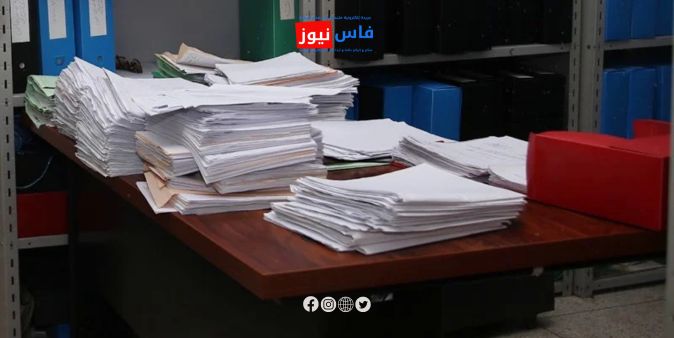
Inspection committees from Morocco’s General Inspectorate of Territorial Administration were stunned during audits of municipalities in the Casablanca-Settat and Marrakech-Safi regions. Municipal presidents and employees deliberately concealed vital archives—particularly those related to urban planning and taxation—under mysterious circumstances. This obstruction severely hampered oversight missions focused on auditing public contracts and administrative permits.
According to well-informed sources who leaked inspection reports, municipal officials justified the destruction of administrative documents and transaction records with claims of “unknown thefts.” Inspectors expressed astonishment, noting in their reports suspicions of systematic attempts to erase evidence of serious governance violations. The missing documents included sensitive files concerning:
- Suspicious building permits
- Public contracts awarded to “preferred” companies without legal compliance
- Leases of municipal facilities (markets, parking lots, parks) to associates at symbolic prices
- Fuel consumption vouchers and land registry records
- Tax collection logs for unbuilt urban land
The disappearance of these archives—amid allegations of tax exemptions for officials’ associates—forced inspection teams to waste days fruitlessly searching municipal records. Despite promises from officials to provide documents by specific deadlines, critical files vanished without convincing explanations. This pattern of obstruction has crippled municipalities’ ability to serve citizens, protect rights, and ensure administrative continuity.
Sources confirmed that the concealed documents centered on:
- Permits for residential projects and exceptional land allocations
- Road construction contracts awarded for years to specific firms amid quality-control violations
- Statistical records of “vacant lands” and tax assessment protocols
This disregard for archives—despite their legal role in upholding transparency, accountability, and collective memory—has sparked heated debates in municipal councils. Elected representatives have demanded firmer action against officials who trivialize document preservation, turning institutional neglect into a shield for potential corruption. The “unknown thefts” narrative now stands as a smokescreen, raising urgent questions about who benefits when the evidence disappears.