فاس نيوز ميديا جريدة الكترونية جهوية تعنى بشؤون و أخبار جهة فاس مكناس – متجددة على مدار الساعة

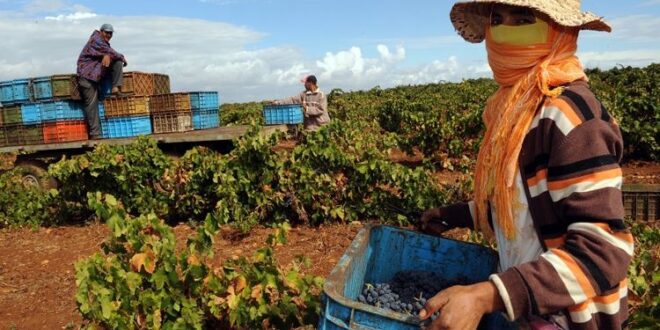
Initial indicators for the 2025–2026 agricultural season in the Fes–Meknes region point toward “very positive” results, driven by a marked improvement in rainfall conditions and the growing adoption of flexible farming practices capable of adapting to climate variability.
The Regional Director of Agriculture confirmed that the current season represents a real turning point compared to previous years, stressing that it combines a recovery in agricultural output with an accelerated structural transformation in farming methods, particularly in light of the significant improvement in water resources, which has clearly reshaped the outlook for this season.
According to official data, cumulative rainfall across the region reached 275.7 mm, compared with 219 mm during the same period last season. High levels were recorded in major agricultural basins, especially in Meknes Prefecture and Ifrane Province, while even traditionally low-rainfall areas such as Boulemane benefited from rainfall amounts described as substantial.
These climatic conditions have had a direct impact on crop development. Recent rains contributed to uniform germination of mid-late crops and strong tillering of early cereals, boosting hopes for improved yields during the harvest phase.
In the livestock sector, agricultural services reported a notable recovery in rangeland cover, which has reduced reliance on compound feed and eased financial pressure on livestock breeders, following years marked by rising production costs.
Regarding the implementation of the cropping program, autumn sowings reached around 78% completion, out of a total target exceeding 790,000 hectares. Autumn cereals—particularly soft wheat—led the way, alongside encouraging progress in legumes and fodder crops, helping to secure a vital feed reserve for livestock.
Beyond short-term indicators, the strategic shift toward more resilient agriculture stands out as one of the defining features of the season. This is especially evident in the significant expansion of direct seeding techniques, which have moved beyond limited pilot trials to become widely adopted practices, thanks to their benefits in water conservation and soil protection against erosion.
This approach has also included crop diversification, with the introduction of alternative crops such as rapeseed and aromatic plants, as well as the strengthening of irrigated farming as a precaution against potential water stress in spring. Thousands of hectares of major irrigated crops, including cereals, have already been established.
As part of ongoing support measures, the Regional Directorate of Agriculture has rolled out an integrated assistance system, focusing on the development of certified seed programs, the promotion of high-quality inputs, and the implementation of the winter vegetable cropping program—particularly potatoes and onions—to ensure steady market supply.
While officials stress that final results will depend on rainfall developments in March and April, preliminary estimates suggest the possibility of yields exceeding the average of the past five years. Such an outcome would help stimulate the rural economy and generate financial momentum extending from maintenance and fertilization activities to the harvest season.
Despite the prevailing optimism among farmers, regional services emphasize that priority remains on consolidating this positive start through close monitoring of crop health, optimized fertilization, and rational use of water resources, in order to translate favorable indicators into an abundant and sustainable harvest.
Source: Fes News Media