فاس نيوز ميديا جريدة الكترونية جهوية تعنى بشؤون و أخبار جهة فاس مكناس – متجددة على مدار الساعة

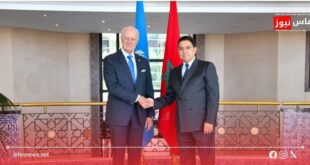
The Kingdom of Morocco has been appointed to co-facilitate the review of the United Nations Global Counter-Terrorism Strategy, represented by its Permanent Ambassador to the UN in New York, Omar Hilale, alongside Finland’s ambassador. The decision was taken by the President of the United Nations General Assembly, Annalena Baerbock.
This appointment—entrusting Morocco with co-steering the ninth review of the UN’s global counterterrorism strategy—reflects the high level of confidence the Kingdom enjoys within the international system and the advanced role it now plays as a trusted and effective partner on security and stability at both regional and global levels.
The designation is widely viewed as recognition of Morocco’s sustained contributions to multilateral efforts aimed at preventing and combating terrorist threats, as well as its capacity to engage responsibly in consensus-based processes required by complex global security issues.
The choice of Ambassador Omar Hilale also underscores the credibility Morocco has built within UN circles, positioning the Kingdom as a respected reference actor capable of helping lead an inclusive UN negotiation process grounded in dialogue, consultation, and shared responsibility—toward a successful review of the Global Counter-Terrorism Strategy.
Observers consider the move a clear endorsement of Morocco’s pivotal role in countering terrorism and violent extremism through a comprehensive approach that balances security requirements with prevention, international cooperation, respect for human rights, and the rule of law—aligned with values of modernity and coexistence.
Under the leadership of King Mohammed VI, Morocco has developed a distinctive counterterrorism model that has garnered broad international praise. The model combines strengthened security and intelligence capabilities with intensified international cooperation, while addressing root causes of extremism through human development, social inclusion, and the promotion of a moderate, tolerant Islam.
The UN intergovernmental negotiation process—co-led by Morocco and Finland—will feature wide consultations with UN member states and relevant stakeholders. The review is set to run through June 2026, with the aim of assessing implementation of the UN strategy that serves as the global reference framework for counterterrorism.
This new responsibility also fits within the broader, growing cooperation between Morocco and the United Nations, highlighted by the opening in 2021 of the UN Office of Counter-Terrorism in Rabat as a regional hub for capacity-building and international cooperation in Africa—leveraging Moroccan expertise for the benefit of African partners.
The trajectory further aligns with Morocco’s active role in international initiatives, including the organization of the International Conference on Victims of Terrorism in Africa, co-organized by the Ministry of Foreign Affairs, African Cooperation and Moroccan Expatriates and the UN Office of Counter-Terrorism.
Source: Fes News Media