فاس نيوز ميديا جريدة الكترونية جهوية تعنى بشؤون و أخبار جهة فاس مكناس – متجددة على مدار الساعة


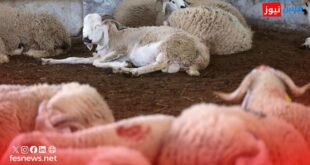
Professionals in the livestock sector said that recent rainfall has contributed to positive signs after a period marked by rising herd-rearing costs. Natural grazing areas have begun to recover part of their vitality, which is expected to affect feed expenses—particularly for small-scale breeders known locally as “kessaba.”
According to these professionals, the availability of pasture—even if limited—plays a decisive role in easing daily feeding burdens, as natural grazing covers an important share of livestock needs and reduces reliance on compound feed. They added that a gradual decline in dependence on industrial feed could, over time, lower demand in the market, potentially influencing prices in the coming period.
They linked this positive impact to how long and how regularly rainfall continues in the weeks ahead. Consistent rains through March, they noted, would support better vegetation growth and a real improvement in pastures—an effect that could extend into the period leading up to Eid al-Adha.
At the same time, professionals cautioned that the feed market can experience a “paradox” during certain periods: if breeders receive public support and many move to purchase feed at the same time, demand may surge suddenly, pushing prices upward rather than downward—an outcome that particularly harms small breeders.
Professionals also expect that improving temperatures in the coming days will help herds gradually return to grazing rather than relying fully on stables. They said the impact will become clearer as vegetation growth reaches fuller levels, adding that some previously purchased feed may be stored for later use, helping reduce pressure in the months ahead.
Source: Fes News Media