فاس نيوز ميديا جريدة الكترونية جهوية تعنى بشؤون و أخبار جهة فاس مكناس – متجددة على مدار الساعة


In important remarks made by Fawzi Lekjaa, Minister Delegate in charge of Budget, during the discussion of the 2026 finance bill at the Finance Committee of the House of Representatives on Thursday, he confirmed that Morocco’s preparations for organizing the 2030 World Cup are not merely a sports project but represent a comprehensive strategic vision aimed at creating significant added value for the country. He explained that these projects will contribute to enhancing economic growth, creating new job opportunities, and serving the national public interest.
World Cup: A Driver for Comprehensive Development
Lekjaa noted that organizing the World Cup forms an essential part of the national development roadmap, intersecting with various vital sectors, foremost among them the health sector. He emphasized that the joint bid submitted by Morocco in cooperation with Portugal and Spain, unanimously approved by FIFA, includes clear commitments focusing on improving health infrastructure. He clarified that the success of organizing this global sporting event requires a health system that meets international standards, whether in emergency departments, treatments, or services offered to spectators and players.
Stadium Costs Outside the General Budget
Lekjaa confirmed that the costs of building and developing sports facilities are not included in the state’s general budget, clarifying that the total cost of projects related to the World Cup is estimated at about 3 billion dirhams, including 1.6 billion dirhams allocated to the National Railway Office. He added that these projects constitute a national priority, whether the World Cup is hosted or not, as they aim to improve infrastructure and develop transport and health sectors.
Infrastructure: Vision for Morocco 2030
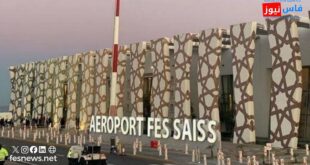
The minister stressed that true development in Morocco requires linking the north to the south and the east to the west, pointing out that this vision forms the core of Morocco 2030. He explained that airport development projects, enhancement of the health system, and infrastructure construction will continue regardless of hosting the World Cup, as they meet the comprehensive development needs. He pointed out that the World Cup represents an opportunity to accelerate the pace of implementing these projects, which might otherwise have been delayed until 2032.
Response to Boycott Calls: An Unfounded Conspiracy
In another context, Lekjaa responded to what he described as “unobjective” calls to boycott the World Cup preparations, considering them part of a conspiracy aimed at casting doubt on Morocco’s capabilities. He cited a previous competition to host the Africa Cup, referring to continuous attempts by some parties to question Morocco’s abilities since then, including spreading fabricated photos and allegations regarding issues such as stray dogs. He confirmed that such calls quickly collapse due to lack of factual foundations.
Achievements in Record Time
Lekjaa highlighted Morocco’s ability to accomplish major projects in record time, citing the renewal of the Moulay Abdellah Stadium and the construction of a university hospital in a short period. He confirmed that these achievements reflect Morocco’s commitment to developing its infrastructure in both the sports and health sectors, to achieve sustainable development goals.
Summary: An Opportunity to Accelerate Development
In conclusion, Lekjaa emphasized that organizing the 2030 World Cup represents a golden opportunity to speed up reforms and development in Morocco, stressing that these projects serve all sectors, especially health and infrastructure. He called for focus on reforms instead of being swayed by unjustified boycott calls, affirming that Morocco is steadfast in achieving its development vision.