Fes News Media Morocco & Fez-Meknes Independent English News Portal — 24/7 Coverage


- The Moroccan Ministry of Interior announced the receipt of the first batch of about 1,000 new buses by late October and early November 2025, as part of the firs...
- This ambitious program, with a total cost of 11 billion dirhams, aims to acquire 3,800 buses to cover 84 cities and urban areas, enhancing sustainable mobility ...
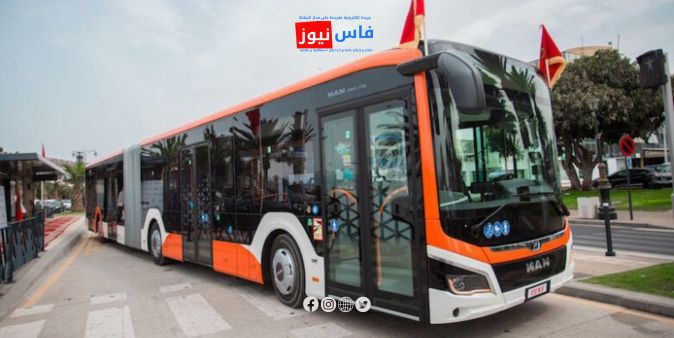
The Moroccan Ministry of Interior announced the receipt of the first batch of about 1,000 new buses by late October and early November 2025, as part of the first phase of the national program to modernize public urban transport for 2025-2029. This ambitious program, with a total cost of 11 billion dirhams, aims to acquire 3,800 buses to cover 84 cities and urban areas, enhancing sustainable mobility and reducing traffic congestion in Moroccan cities.
Wide Geographic Coverage of the First Phase
The initial batch, including 1,487 buses, focuses on 29 cities and urban areas such as Tangier, Tetouan, Fès, Rabat, Benslimane, Marrakech, and Agadir, along with neighboring conglomerations like Fnideq, Asilah, and Tamansourt. The project is managed by the General Directorate of Local Authorities in cooperation with local authorities to meet rapid urban development needs and ensure quality services for citizens.
Program Goals and Importance
This program is part of a national strategy to promote sustainable transport. The buses are equipped with smart systems like electronic ticketing and passenger information screens, improving operational efficiency by up to 30%. The program also supports integrating electric buses to reduce carbon emissions, aligning with Morocco’s environmental goals for 2030. It is expected to reduce reliance on private cars by 15-20%, while creating new jobs in the transport sector.
Program Phases and Future Expectations
The program divides into three main phases:
- Phase One: Covers 29 cities with 1,487 buses, with 1,000 buses arriving soon.
- Phase Two: Includes 24 cities such as Oujda and Dakhla with 827 buses.
- Phase Three: Targets 31 cities, including Casablanca and Meknes, with 1,482 buses.
By 2029, the program will cover 84 cities, focusing on supporting major events like the 2025 African Cup of Nations and the 2030 World Cup. This reflects Morocco’s commitment to King Mohammed VI’s vision for sustainable development.
Challenges and Innovations
Despite challenges such as building electric charging stations and training drivers, the program relies on international partnerships with companies like Chinese Yutong and French RATP to ensure efficiency. It also includes building maintenance stations and support centers to sustain the fleet.
Economic and Environmental Impact
The program is expected to contribute to the transport sector’s growth at 3.2% annually until 2031, improving life quality in major cities. It supports Morocco’s goal of reducing emissions by 25% by 2030, bolstering the kingdom’s position as a leader in sustainable development in Africa.
Conclusion
The national program for modernizing urban transport marks a qualitative step toward improving mobility and supporting sustainability in Morocco. For more details, it is recommended to follow official announcements on the Ministry of Interior’s website or Maghreb Arabe Presse.