فاس نيوز ميديا جريدة الكترونية جهوية تعنى بشؤون و أخبار جهة فاس مكناس – متجددة على مدار الساعة


In a diplomatic move reflecting internal divisions among Sahrawis, the Sahrawi Movement for Peace (MSP) sent an official letter to United Nations Secretary-General Antonio Guterres on October 21, 2025, demanding an end to the exclusion of the “silent majority” of Sahrawis who support peaceful and realistic solutions to the Western Sahara conflict. Signed by its First Secretary Hach Ahmed Brikala, the letter criticized the exclusive reliance on the Polisario Front in negotiations and called for MSP’s inclusion as a key partner to achieve a solution that preserves Sahrawi dignity without compromising regional stability, clearly endorsing Morocco’s autonomy proposal as a realistic option.
Diplomatic and Historical Context
The letter comes amid intensifying diplomatic efforts over the Western Sahara issue, especially as the UN Security Council prepares to renew the mandate of the MINURSO mission, which expires on October 31, 2025. Responding to an expanded proposal sent by the Polisario Front to Guterres on October 20, calling for a self-determination referendum, MSP presents itself as the “third Sahrawi path,” rejecting armed conflict and separatism, and emphasizing dialogue and peace. Founded in 2020 by former Polisario members, MSP criticizes its policies as a “dead-end” leading to ongoing exile and humanitarian crisis in Algerian-hosted Tindouf camps.
Brikala warns of a “critical moment” facing the issue, cautioning against a “political collapse” due to the Polisario’s insistence on ignoring the ceasefire, threatening stability in the Sahel and North Africa. MSP highlights the exhaustion of the “silent majority” burdened by divisions and war, calling for broader Sahrawi participation to encompass diverse voices beyond monopolizing representation.
MSP’s Main Demands
The letter focuses on three central pillars to reshape the negotiation process:
- Ending the Ignoring of the Silent Majority: MSP stresses that the UN must move beyond exclusive reliance on the Polisario, seen as dominating negotiations, and include the real victims suffering from exile and conflict.
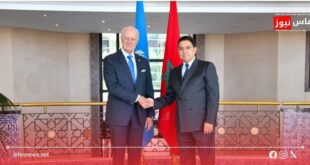
- Integrating MSP into the Process: The movement demands representation as a constructive partner in negotiations to ensure a solution based on “logic and realism,” emphasizing that “peace is neither imposed by force nor monopolizing a single voice.” It calls on Guterres to encourage his personal envoy, Staffan de Mistura, to propose an “innovative and comprehensive” plan incorporating Sahrawi diversity.
- Backing a Realistic Solution: MSP openly supports the autonomy proposal under Moroccan sovereignty as “an opportunity for Sahrawis,” seeing it as a path toward development and reconciliation, rejecting armed conflict as unsustainable.
| Aspect | MSP Demands | Polisario Response | International Support |
|---|---|---|---|
| Representation | Inclusion of “Silent Majority” | Polisario’s exclusive monopoly | Support for expansion (US, France) |
| Solution | Realistic Autonomy | Referendum on self-determination | Credibility for Morocco (UN Resolutions) |
| Peace | Unconditional Dialogue | Direct talks under UN auspices | MINURSO mandate renewal (Oct 2025) |
| Stability | No regional destabilization | Strategic ties with Morocco | Concerns over escalation (Sahel) |
Reactions and Expected Impact
The letter drew mixed reactions, with MSP gaining support from countries like the United States and France, which see the autonomy proposal as “the most credible.” MSP visited Washington in October 2025 to cement this backing. Meanwhile, the Polisario Front rejected MSP as “Morocco-backed dissenters,” claiming they do not represent true Sahrawis and reaffirming the referendum as the only solution. The Polisario also accused Algeria of “sieging” the camps and demanded an end to abuses, escalating regional tensions.
This message could increase international pressure to broaden negotiations, especially with de Mistura’s calls for “clarifying autonomous powers,” and arrives ahead of MINURSO’s mandate renewal expected without fundamental changes. However, the key challenge remains international recognition of MSP as a partner, opposed by Algeria and the Polisario, reflecting the complexity of the protracted conflict since 1975.
Future Outlook
MSP views its letter as a “critical moment” to save the region from the “abyss,” proposing popular consultations on autonomy as a step towards a “third UN negotiation.” With growing support for Morocco in 2025, a realistic solution seems nearer, but success requires inclusive dialogue beyond divisions to ensure lasting peace in North Africa. Observers are urged to watch the imminent Security Council decision to assess its impact on the conflict’s trajectory.