Fes News Media Morocco & Fez-Meknes Independent English News Portal — 24/7 Coverage


- Tensions Escalate in Gaza Following Deadly AttacksIn recent developments in the Gaza Strip, Israeli Prime Minister Benjamin Netanyahu met on Monday, October 20,...
- envoys from President Donald Trump’s administration, a day after deadly violence in the area raised fears of the fragile ceasefire, reached on October 10, 2025...
Tensions Escalate in Gaza Following Deadly Attacks
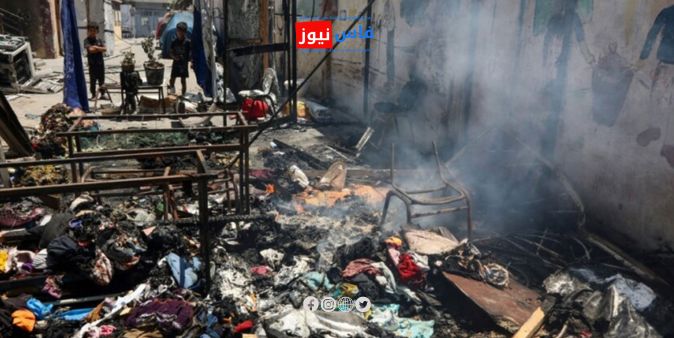
In recent developments in the Gaza Strip, Israeli Prime Minister Benjamin Netanyahu met on Monday, October 20, 2025, with U.S. envoys from President Donald Trump’s administration, a day after deadly violence in the area raised fears of the fragile ceasefire, reached on October 10, 2025, collapsing. Netanyahu’s remarks about his plan for a “Greater Israel” and expanding control over Gaza sparked anger across the Arab world.
Meeting Details with U.S. Envoys
Netanyahu received U.S. envoy Steve Witkoff and Jared Kushner, President Trump’s son-in-law, to discuss the latest developments in the region, according to Israeli government spokesperson Shosh Pedrozyan. She also noted that U.S. Vice President J.D. Vance and his wife will visit Israel soon to meet Netanyahu, though no exact date was given.
Sunday’s Events: Ceasefire Breach
Gaza experienced intense Israeli attacks on Sunday, described by Israel as retaliation for strikes by the Hamas movement. Gaza’s civil defense reported at least 45 Palestinians killed, including civilians and a journalist, due to these strikes. Hamas denied the Israeli accusations, affirming full commitment to the ceasefire. An Israeli official said Hamas fired on Israeli forces in Rafah and Palestinian fighters in Beit Lahia were “neutralized” after “crossing the yellow line,” the agreed fallback line under the ceasefire.
In contrast, Hamas denied knowledge of any confrontations in Rafah and reiterated its commitment to implement the ceasefire terms. President Trump blamed “some rebels” inside Hamas, suggesting movement leadership might not be involved.
Reopening of Kerem Shalom Crossing
In a related development, Israeli security sources announced the reopening of the Kerem Abu Salem crossing, a vital artery for delivering humanitarian aid to Gaza’s population, after hours of closure. This comes amid a worsening humanitarian crisis, with Israeli military operations having caused 68,216 deaths, mostly civilians, according to the Hamas Ministry of Health.
Trump’s Peace Plan
President Donald Trump’s peace plan, which formed the basis of the ceasefire, includes multiple phases aiming at a permanent end to the war. The first phase saw Hamas release 20 hostages alive and 12 bodies out of 28 in exchange for about 2,000 Palestinian prisoners. Subsequent phases include disarmament of Hamas, either granting amnesty or exile to fighters, alongside continued Israeli withdrawal from Gaza. However, Hamas refuses disarmament and demands full Israeli withdrawal and participation in governing the territory.
Hamas Delegation in Cairo
A Hamas delegation traveled to Cairo on Monday to hold talks with Egyptian and Qatari mediators about the ceasefire and discuss forming a committee of independent experts to govern Gaza post-war. The plan envisions establishing a transitional technocratic authority headed by a committee chaired by President Trump.
Field Situation
Israeli forces currently control approximately half of Gaza, including border areas, and have begun marking the “yellow line” with bulldozers and yellow concrete blocks, according to images released by the Israeli Defense Ministry. The Israeli army also reported the death of two soldiers in battles in Rafah on Sunday.
Challenges in Verifying Information
Media face major restrictions in Gaza, making independent verification of information from various parties difficult. The humanitarian situation continues to deteriorate due to the war, triggered by Hamas’ unprecedented attack on October 7, 2023, which killed 1,221 Israelis, mostly civilians, resulting in an unprecedented humanitarian disaster.
Summary
The situation in Gaza remains tense with ongoing clashes and mutual accusations between Israel and Hamas. While international actors, led by the United States, strive to maintain the ceasefire, political and humanitarian challenges persist as talks continue toward a sustainable resolution to end the conflict and restore stability in the region.