Fes News Media Morocco & Fez-Meknes Independent English News Portal — 24/7 Coverage


- The type of employment and the level of income are among the most significant factors influencing the success of visa applications, especially for Schengen visa...
- Importance of Stable Income and Salary Level Having a stable and sufficient income plays a crucial role in increasing the chances of visa approval
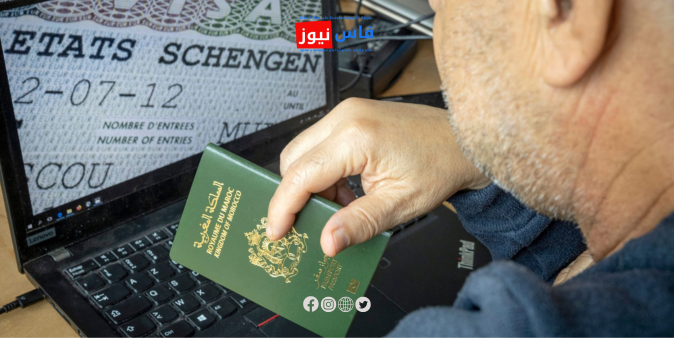
The type of employment and the level of income are among the most significant factors influencing the success of visa applications, especially for Schengen visas where acceptance rates vary notably based on the applicant’s professional and financial status.
Importance of Stable Income and Salary Level
Having a stable and sufficient income plays a crucial role in increasing the chances of visa approval. Consulates and embassies view regular earnings as proof of the applicant’s ability to finance travel, accommodation, and return to their home country. Employees with higher salaries and a consistent employment history usually have better chances of approval.
Employment Stability
Long-term employment with the same employer is considered positively when assessing visa applications. It signals economic and social stability, reducing concerns about potential illegal immigration. Conversely, applicants with temporary jobs or less than six months tenure might face higher rejection rates due to perceived instability.
Financial Documentation
Submitting well-documented financial evidence, such as bank statements demonstrating sufficient funds corresponding to the trip duration, strengthens the visa file and builds confidence with visa officers. Additional documents like employment contracts, payslips, and official employer letters help verify the applicant’s financial and professional situation.
Challenges for Informal Employment and Variable Income
Self-employed individuals or those with irregular income may encounter extra scrutiny. Embassies often require detailed proofs of income sources. Failure to provide clear evidence can lead to rejection due to uncertainty regarding the applicant’s financial means.
Other Influencing Factors
Besides job and income, previous travel history, family ties in the home country, and the overall completeness of the visa dossier also affect the outcome. Strong ties reinforce the applicant’s intention to return, improving acceptance chances.
Acceptance Rates and Friendly Countries
Data from 2025 shows that countries like Iceland and Switzerland maintain low rejection rates, about 2.2% in Iceland, making them favorable options for visa applicants.
Tips for Applicants
- Provide certified, clear financial documents showing stable income.
- Establish steady employment before applying where possible.
- Submit a complete application with proof of earnings and social ties.
- Avoid applying to countries known for strict requirements if unable to meet documentation standards.
In conclusion, employment stability and consistent income are key to improving visa approval odds. Applicants should prepare comprehensive documentation to support their applications and increase their chances of success.